
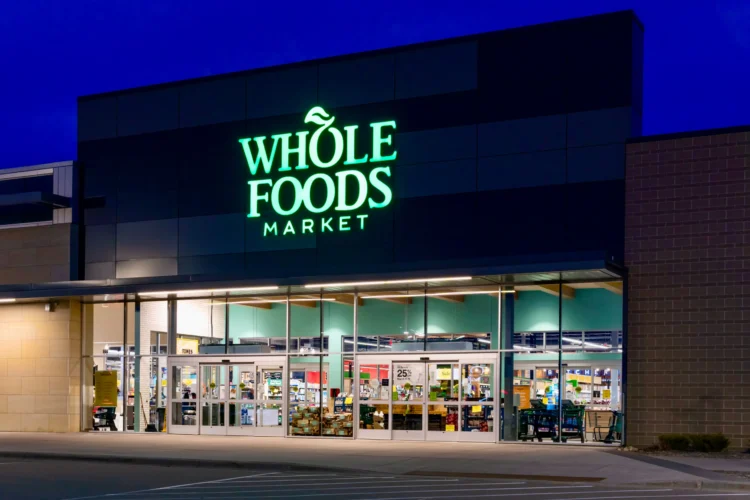
I don’t just shop at Whole Foods, I used to work there.
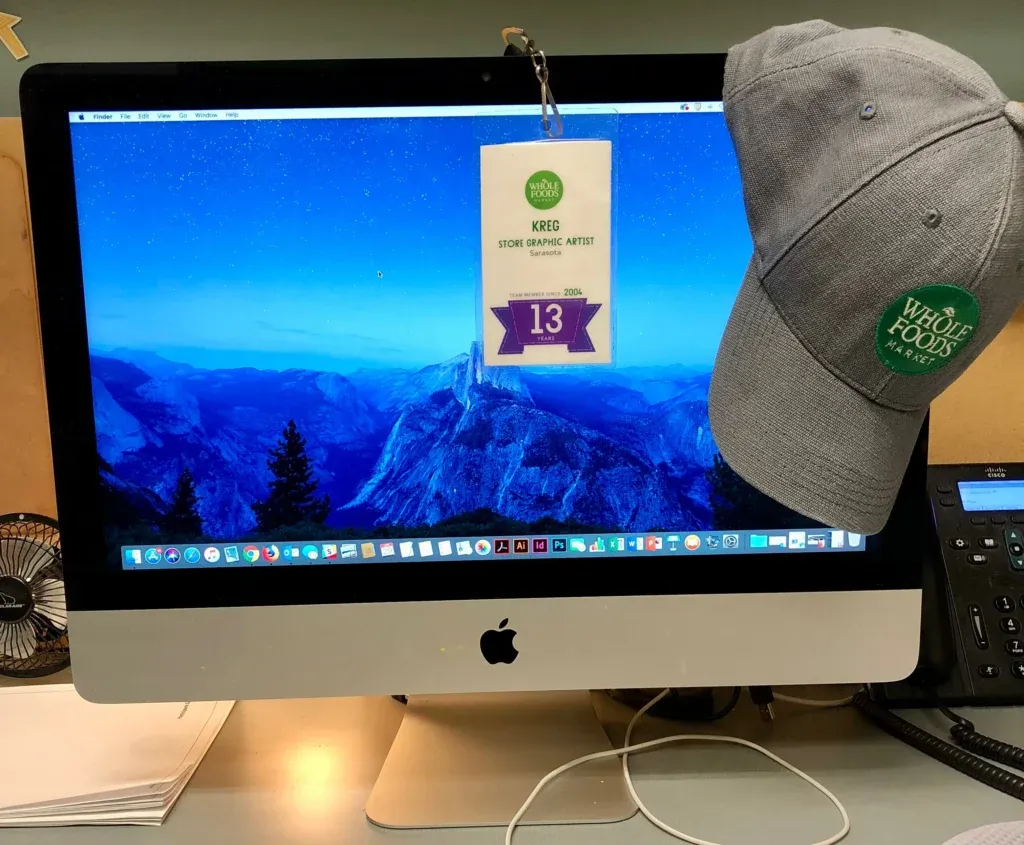
From 2004 to 2018, I worked at the Whole Foods Market in downtown Sarasota, FL as a Store Graphic Artist or SGA in company shorthand. I was part of the original opening team. I made signs, chalkboards, marketing materials, was the branding cop and helped to handcraft the visual language that made that store feel special, not just somewhere to buy groceries. I even had stock options at one point. I felt like I was part of something different, I won regional all-star awards and felt seen as a contributor.
To be clear, this isn’t a hit piece. It’s more of an attempt to shed light on what Whole Foods was, what it’s now become, and why so many of us who shopped there pre-Amazon feel a quiet sense of loss when we walk through those doors today.
How it Started
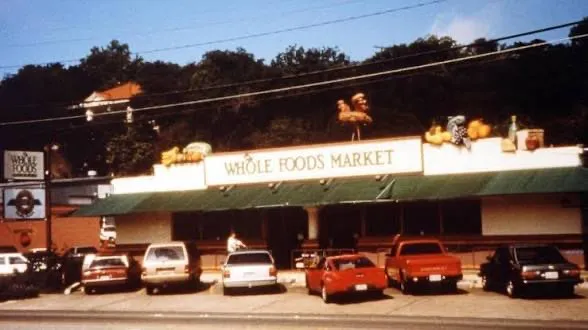
John Mackey co-founded his first health food store, SaferWay, with his girlfriend Renee Lawson Hardy in Austin in 1978 after the two met while living in a vegetarian housing co-op. Two years later they merged with Craig Weller and Mark Skiles of Clarksville Natural Grocery to open the first Whole Foods Market on September 20, 1980 that was 10,500 square feet, had a staff of 19, and was at a time when there were fewer than half a dozen natural food supermarkets in the entire country. Mackey’s philosophy was to decentralize authority down to local stores and team leaders who knew their customers best, and it worked, the company grew into a multinational Fortune 500 natural foods pioneer that spent decades on Fortune’s “Best Companies to Work For” list. It all came to a head in 2017 when activist investors took a run at the company, and Mackey faced with limited options, agreed to sell to Amazon for $13.7 billion.
My Personal Experience
When I joined the company in 2004, Whole Foods was in full bloom. The company was growing, but it still felt human-scaled in the best possible way. As a Store Graphic Artist, my job was to translate the store’s identity into visual communication with signs, seasonal displays, and little details that made a Whole Foods feel distinct from every other grocery store you’d ever walked into.
There was a genuine ethos that ran through everything. Local products were celebrated. Vendors felt like partners. Employees were called “team members,” and that wasn’t just semantics, there was real investment in the people on the floor. The stock options I held were a small thing in dollar terms, but they meant something symbolically that we had a stake in this place.
For a longtime vegan like me, Whole Foods felt like the front lines of something important. The vegan section wasn’t an afterthought. It was evolving, growing, exciting. Every year brought new products, new local brands, new proof that the way people eat was genuinely changing for the better. Those were good years, and I’m glad I was a part of it but it was all about to change.
The Amazon Deal
I remember that the news broke in June of 2017 as I was on vacation and saw it posted online. Amazon would be acquiring Whole Foods. The deal wouldn’t close until August, but for those of us in the stores, the uncertainty started that day. The founding ethos of the two companies were as different as a chocolate pop tart and organic oatmeal. Amazon had always been built on efficiency and scalability. Whole Foods had been built on soul.
Neither company is the villain here. Amazon is very good at what Amazon does, and Whole Foods was facing real financial pressure. Even Mackey himself compared the merger to a marriage, one where you love almost everything about the other person, but not quite everything. But the culture clash was immediate and real. Researchers later described it as a collision between “tight” and “loose” cultures with Amazon’s strict, rule-driven model running headlong into Whole Foods’ discretion-based, employee-empowered one. Whole Foods had been on Fortune’s “Best Companies to Work For” list for twenty consecutive years, but that streak ended.
What Changed, and What Was Lost
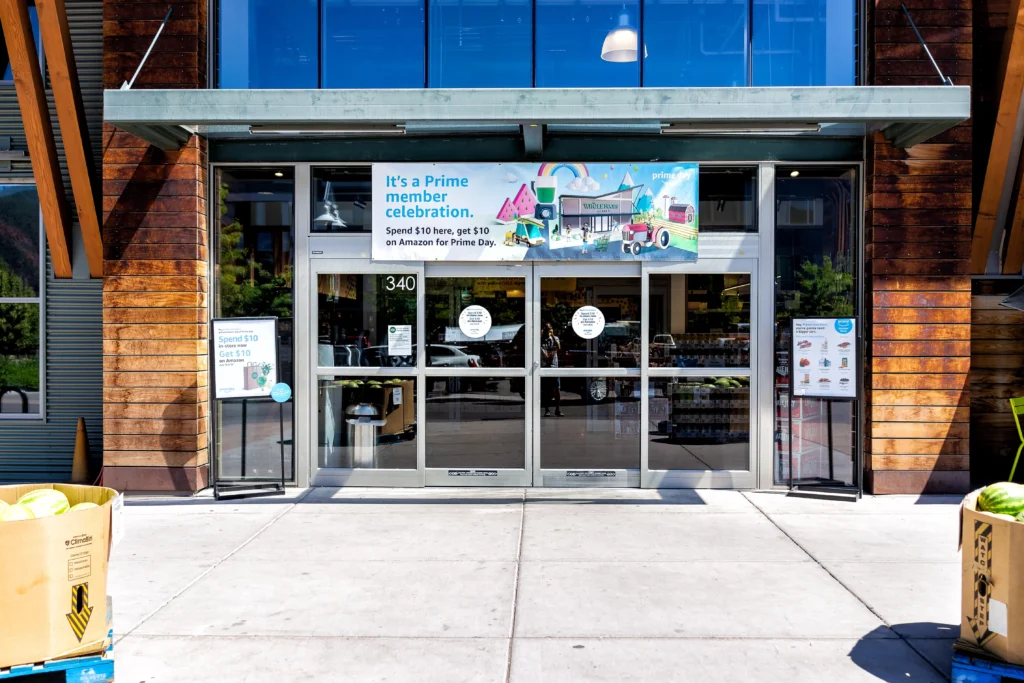
The changes for me went beyond culture. Whole Foods moved toward centralized purchasing, pulling back from the regional autonomy and local supplier relationships that had long set the chain apart. The U.S. store network, once divided into nine regions with each selling community products from nearby areas, was redrawn to just six regions, meaning “local” could now describe a product sourced from hundreds of miles away.
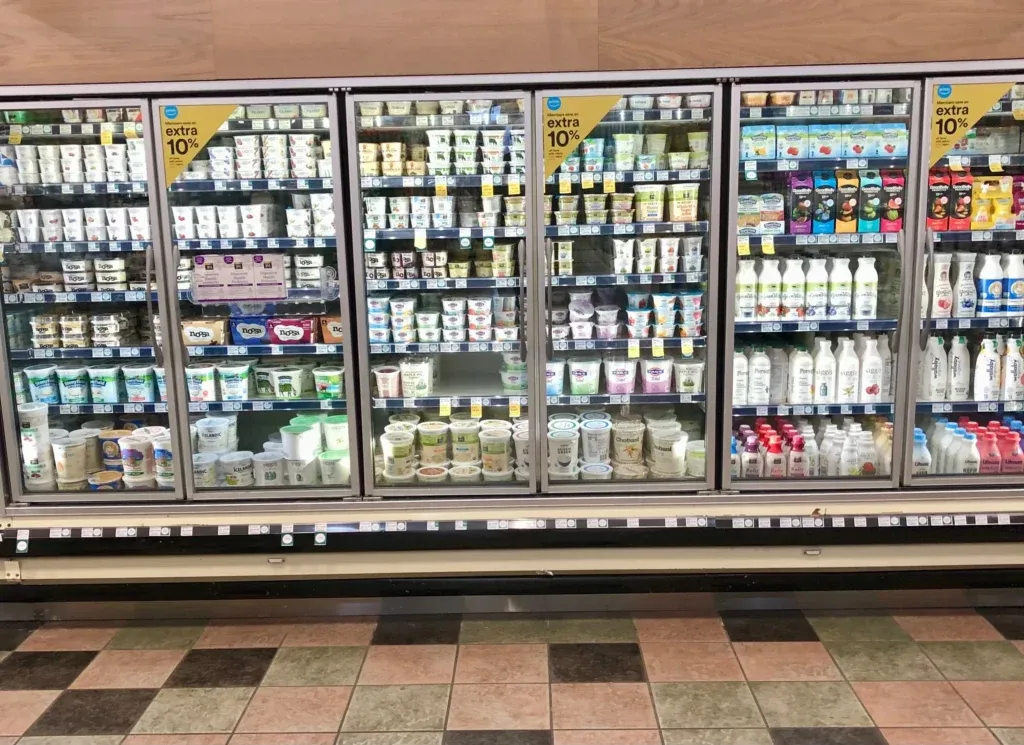
The prepared foods offerings and quality declined dramatically in my opinion. The produce quality slipped, and for those of us in the vegan community, something subtler but equally real shifted too. The sense that Whole Foods was genuinely rooting for plant-based eating, and that it was a partner in that mission, faded. What replaced it was a more generic retail approach to shelf space with data and margins over mission.
I’ve written and posted about the vegan product losses on this blog before and specifically the vegan bakery offerings here. The comments those posts generate tell the same story over and over. People who loved what that store used to be, are often upset at what it has become.
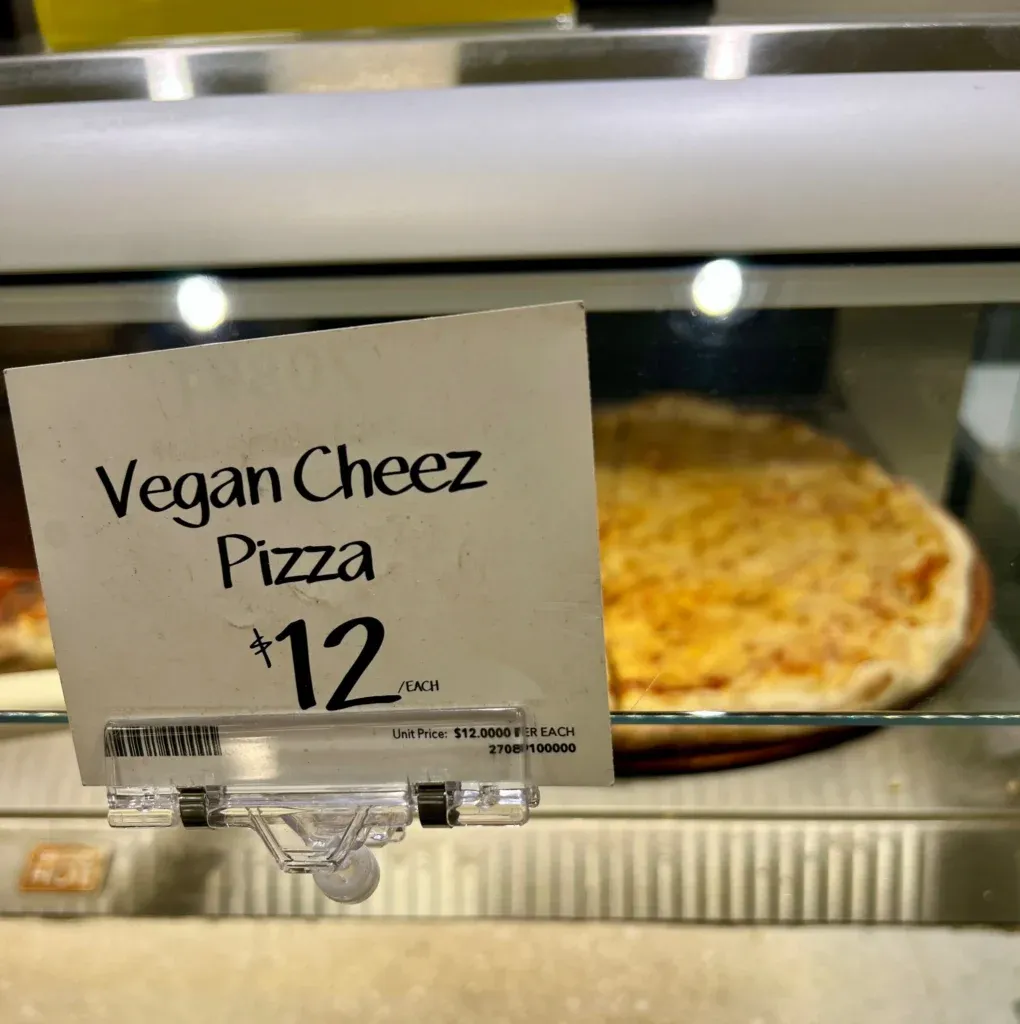
I still think about the vegan donuts, soy nuggets and the vegan pizza. Simple but special things, and they were the kind of products that said something about what the store believed in. When those disappeared, it felt personal to some.
When corporate started having us print signs designed to look like chalkboards, I felt it immediately. We were being asked to simulate authenticity rather than express it. Looking back, that was the moment the soul of the place started becoming a brand strategy in my opinion.
A Silver Lining I Didn’t See Coming
In 2018, one year after the acquisition, my position as Store Graphic Artist was eliminated. The SGA role was made redundant across the company, another casualty of the new efficiency-first mandate. After 13+ years, I was done.
Here’s what I’ve come to appreciate since then. If that hadn’t happened, Big Box Vegan might never have existed. If one more person told me “when one door closes, a window opens…” during that time, I would have rolled my eyes, but even though a cliche, it became true for me.
I probably would have considered it a conflict of interest to run a vegan grocery content platform while working for a major natural food retailer and I most likely would have stayed quiet, stayed loyal, and stayed put. The redundancy that felt like a loss turned out to be the push I needed. The work I’ve done since, covering new vegan products, finding accidentally vegan grocery finds, building a community of plant-based shoppers, and now winning favorite vegan instagrammer by VegNews this year wouldn’t exist without that chapter closing.
So I look back at my time with Whole Foods with mixed feelings. Gratitude for the years I was there and genuine affection for what it represented at its best, but also a quiet sadness at what it has become.
Even John Mackey, who stepped down as CEO in 2022 after 44 years at the helm, described his feelings about visiting a Whole Foods store now with a kind of wistful distance, like watching a child that has grown up and found its own life, its own destiny.
I understand that feeling. Whole Foods was never perfect. No store, no company, no institution is. But at its best, it was a genuinely revolutionary idea, that a grocery store could be built around values, not just velocity. That the people working the floor deserved autonomy and investment. That the vegan shopper, the local farmer, the passionate food nerd had a real home there.
That idea isn’t entirely gone, but it’s much harder to find on the shelves there than it used to be.
Kreg Sterns has been vegan since 1994 and is the founder of Big Box Vegan, covering vegan grocery finds, new product launches, and plant-based retail news. He worked at Whole Foods Market in Sarasota, FL from 2004 to 2018.









This is a great article about what it’s been kind of hard to put my finger on as a shopper. “The prepared foods offerings and quality declined dramatically in my opinion. The produce quality slipped, and for those of us in the vegan community, something subtler but equally real shifted too. The sense that Whole Foods was genuinely rooting for plant-based eating, and that it was a partner in that mission, faded.” Everything slipped… and started to taste and look more like the rest of the grocery industry.
Thank you for your comment. So many feel what we’re feeling who shopped there for over 20 years or more. Things change of course but it’s disappointing. 🧡
Whole Foods is like that groom friend who broke up with a great partner to hook up with a slick fake red flag. It makes me sad every time I see them. Just the mention of those soy nuggets felt like a gut punch. They were SO good! There’s still a vegan cheese pizza option at my local store but the options are definitely dwindling fast. Thanks for this validating post, Kreg!