Here’s a question that may sound simple but is a bit nuanced. Should a brand put “vegan” on their label?
If you spend any time reading labels and ingredient panels in grocery store aisles (basically my part time job), you probably have strong feelings about this. And it turns out the research backs up something a lot of us in the vegan community already suspected, the word “vegan” on a label evokes very different reactions depending on who is reading it.
For the mainstream shopper, it may actually cause them to put it down but for committed vegans, it may be the only reason some trust the product enough to buy it. Both of those things can be true at the same time, so let’s get into it.
Some Context, Plant-Based Is Not Going Anywhere
Before we get into the labeling debate, let’s talk about the bigger picture, because a lot of the mainstream coverage on this topic loves to lead with doom and gloom about declining plant-based sales. Honestly, the headlines are not completely wrong, but they are not telling the whole story either.
Here is what the numbers actually say. The U.S. plant-based food market was worth $3.9 billion in 2017. By 2024 it had grown to $8.1 billion, more than double in under a decade, according to Good Food Institute retail data. Overall dollar sales were down about 4% last year, and yes, plant-based meat and dairy alternatives were the main categories affected and the ones that made all the headlines.
But zoom out and the picture looks a bit different. Tofu, tempeh, seitan, plant-based protein powders, and vegan baked goods were all up as categories. The whole foods side of this category seems to be growing. What is shrinking is the ultra-processed meat alternative segment, the stuff that rode a wave of novelty a few years ago and is now settling into its actual market size.
That distinction matters a lot for this conversation, because the products losing ground are largely the ones leaning hardest into “plant-based” positioning, and the ones growing are often the ones that never needed a trendy label in the first place.
What the Research Says About the Word “Vegan”
Researchers at the University of Southern California ran a study with over 7,500 American adults. They gave everyone the same choice: a gift basket with meat and cheese, or a plant-based one. The plant-based basket was identical across all the test groups, and only the label changed.
When labeled “vegan,” just 20% of people chose the plant-based basket. “Plant-based” did slightly better at 27%, but when that same basket was called “healthy and sustainable”, 44% of people picked it. Same product, but more than double the takers. They concluded with their study that there may be a simple way to convince meat eaters to consume vegan food: don’t call the food “vegan.”
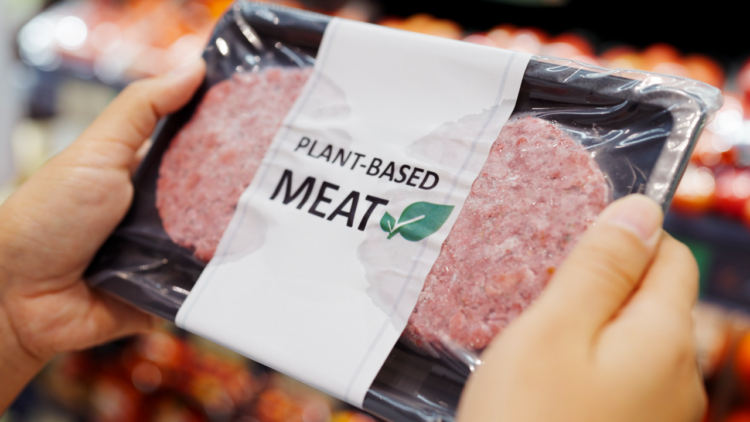
Now that may seem harsh, but it is a significant finding, and some brands are paying attention to it. You may have noticed that some products you pick up in the store are labeled “plant-based” or “made with plants” or often have no distinction at all instead of calling something “vegan”. Whether that is an intentional marketing strategy, the fact they may contain questionable ingredients or a cross-contamination disclaimer situation, it fits a clear pattern that the industry has been quietly moving towards for a while.
Here’s Where It Gets Complicated
Before you start thinking “okay, so brands should just drop the vegan label then,” hold on, because this is where the other half of the story comes in, and it’s one vegans know firsthand.
When a product says “plant-based” but not “vegan,” a lot of experienced vegans will put it right back on the shelf. (Check out my “No Vegan Label?” article here for a deeper dive.) Some just don’t have confidence that it’s vegan by ingredients and can have paralysis by analysis and ultimately, not take a chance. I personally look for no known animal products but that’s not good enough for some.
“Plant-based” labeling can be misleading. A product can claim it’s “plant-based” and still contain dairy like casein, honey, lanolin, carmine, or other non-vegan ingredients. If a product is clearly labeled vegan or carries a certified vegan logo, you have something to stand on. “Plant-based” gives you almost nothing unless it’s “certified plant-based” which means it’s vegan but not a lot of brands are using this newer CPB certification and seal widely yet.
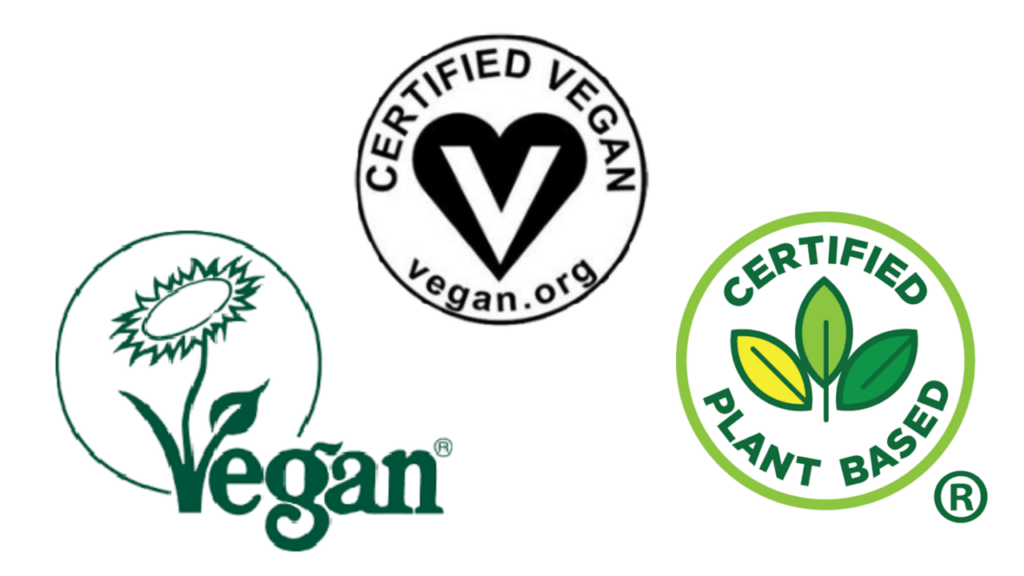
This is not a fringe concern either. The FDA and USDA are currently under pressure to establish clearer, more enforceable standards for plant-based product labeling, because the current ambiguity is creating real confusion for shoppers and manufacturers alike.
So when a brand quietly swaps “vegan” for “plant-based” (or nothing) to possibly pick up flexitarian shoppers, they may be gaining one audience while losing another, and the audience they are potentially losing spent years building loyalty to this category and actually reads the back panel.
So, Who’s the Real Audience?
Here is something worth understanding about the current plant-based shopper. Plant-based foods maintain a 79% repeat purchase rate among existing buyers, and taste satisfaction has been climbing year over year, according to GFI market research. The people who are buying these products are coming back, and that is a strong, loyal base.
Gen Z and Millennials are at the forefront of this shift, motivated by both climate awareness and animal welfare concerns, while more mainstream consumers are increasingly exploring flexitarian diets. That flexitarian audience is huge and growing, and yes, they may be more likely to reach for something labeled “healthy and sustainable” than something labeled “vegan” or even “plant-based”and The USC research confirms that.
But those flexitarians are also less likely to scrutinize the ingredient list the way a long-time vegan might. They are not the ones who will notice other red flags and they may not be the ones who will catch that a product changed its formula six months ago. The vegan community is doing that work, and that community needs clearer labeling to do it.
What Brands Should Actually Consider
The brands getting this right in my opinion are not choosing between vegan consumers and mainstream consumers, they are doing both. Leading with benefits on the front of the package, but keeping a certified vegan seal or the word “vegan” somewhere on the label a model Trader Joe’s often employs. That indicator is not just a signal for vegans, it is a quality indicator that tells any shopper this product was made without any animal products.
The brands that are quietly dropping vegan certification to chase a wider audience are making a short-term play in my opinion. They may be trading the most engaged, most loyal, and most vocal segment of their customer base for shoppers who are one trend cycle away from moving on.
But here is something worth being honest about. Vegans are still a small slice of the overall population. Depending on which survey you look at, somewhere between 1% and 6% of Americans identify as vegan. So as much as we would love every product to carry a certified vegan label, the math is not really in our favor when it comes to what drives purchasing decisions at scale. Brands are not ignoring vegans, but they are absolutely designing their packaging and marketing for the other 94% to 99% of shoppers too. That is just the reality of how consumer products work.
The research says the word “vegan” can scare off the mainstream shopper, but losing “vegan” can make a product invisible or untrustworthy to the people most committed to buying it. Neither side is wrong, and the real problem is that a lot of brand decisions are being dictated more by sales and profits.
The vegan community is right to be skeptical of anything that only says “plant-based”, and brands that want both audiences are going to have to figure out how to speak to both without abandoning either.
Do you skip products that are not labeled vegan even if the ingredient list looks ok? I personally do not but everyone needs to make their own ethical, environmental or health decisions and draw their own line in the sand. With plant-based eating continuing to grow and more mainstream shoppers entering the space, it will be interesting to see how labeling strategies evolve over the next few years and whether the industry finally lands on something that works for everyone.
One last thing worth remembering in all of this. Whatever a product is called, every plant-based choice still makes a difference. The label debate is real and it matters, but at the end of the day a cart full of plant-based food helps animals whether it says vegan on the front or not. That is something worth holding onto while the industry figures the rest of this out.