
Earth Balance, Miyoko’s, Trader Joe’s and the Return to DIY Vegan Butter
If you’re a vegan baker, you may have noticed something lately and no, it’s not just you.
The vegan butter sticks and blocks that many of us relied on for years have quietly disappeared from shelves. Not the soft tubs. Not the spreads. The solid, sliceable, bake-friendly butter that actually behaves like dairy butter.
Over the past year, several brands have either exited or paused this category entirely. And for bakers, that’s a meaningful change that can really affect how recipes perform.
Here’s what’s actually happening, which products are gone (or in limbo), and why a lot of folks are now trying making homemade vegan butter.
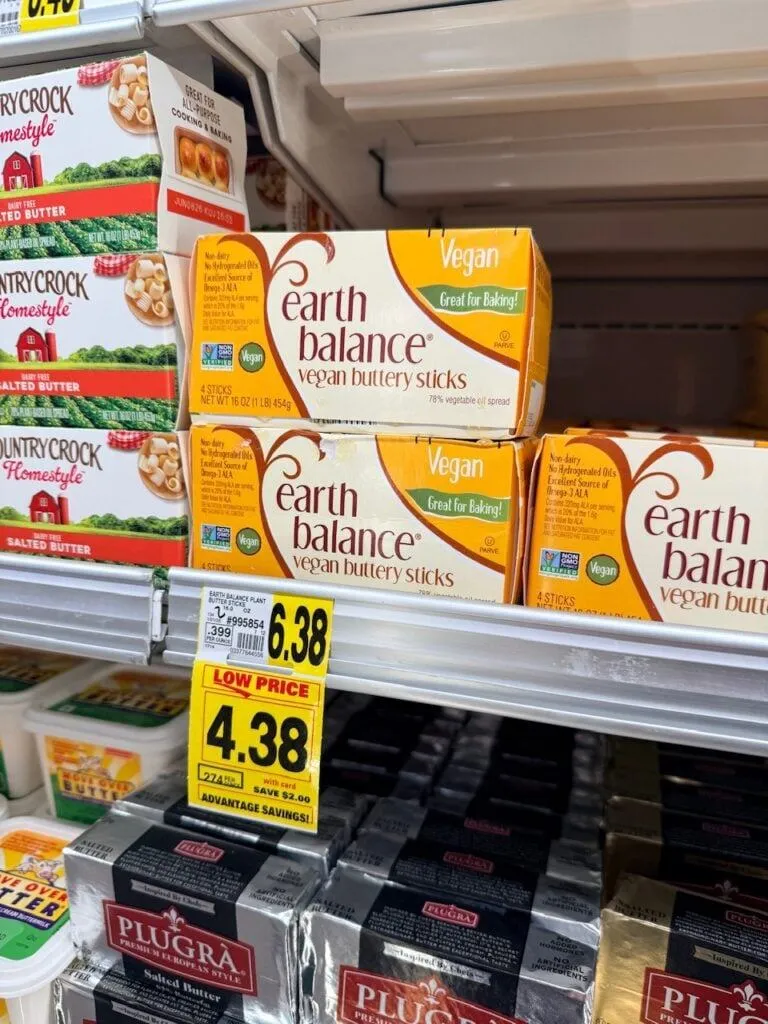
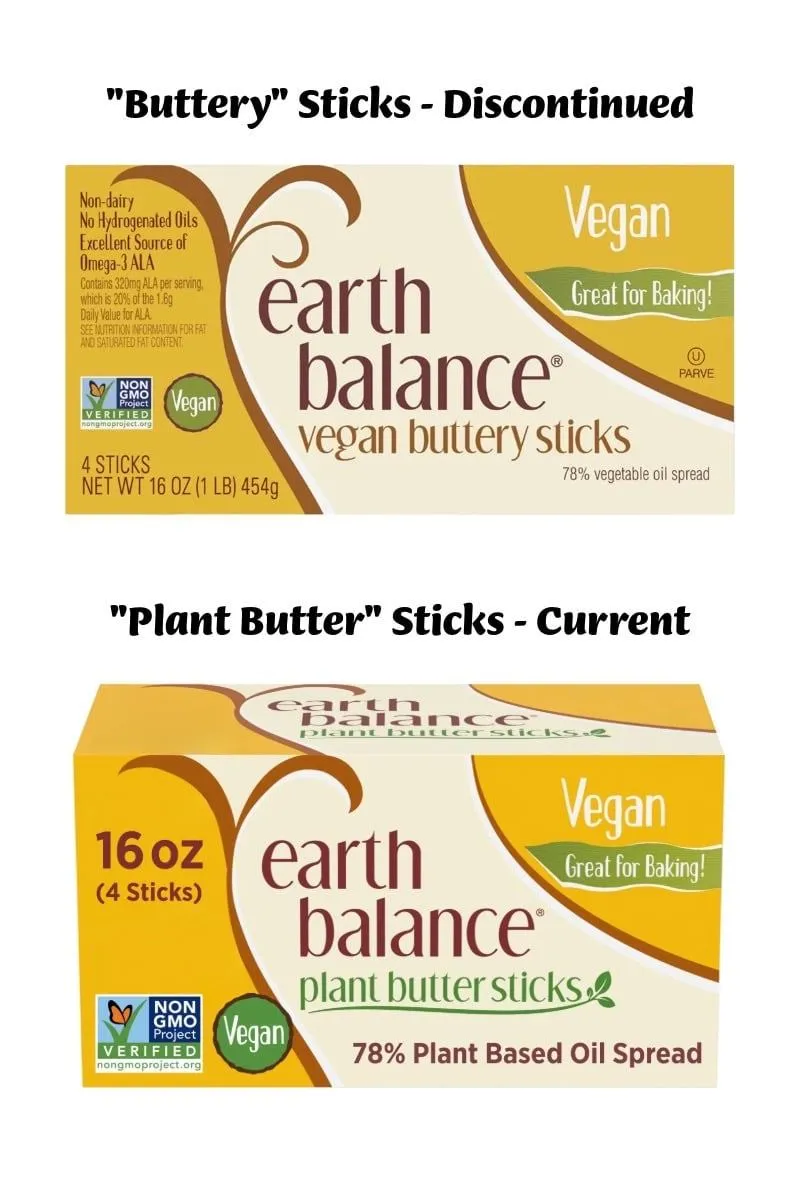
Earth Balance Discontinues “Buttery Sticks” for “Plant Butter Sticks”
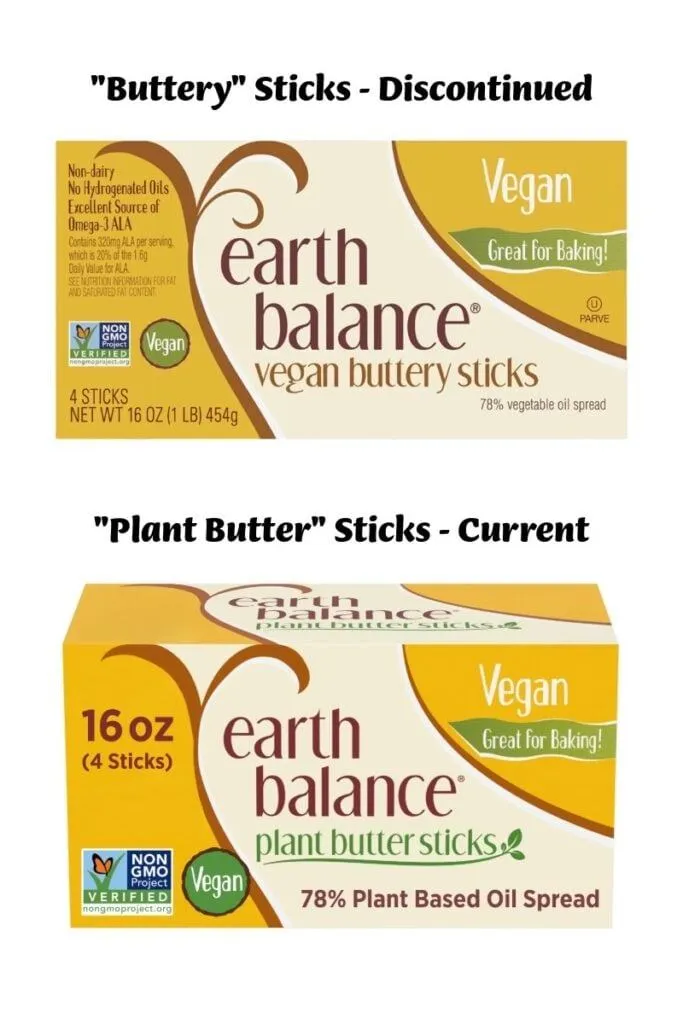
After much discussion with the brand, it appears that Earth Balance “Buttery” Sticks were quietly discontinued and replaced by a renamed product now sold as “Plant Butter Sticks.”
While their social team would not explicitly confirm it is a replacement, a side-by-side comparison of packaging, ingredients, and nutrition strongly suggests that the Plant Butter Sticks are the direct successor.
What changed (and what didn’t).
Product name:
- Old: Earth Balance Vegan Buttery Sticks
- New: Earth Balance Plant Butter Sticks
The word “buttery” has been removed, but the format (4 sticks, 16 oz) remains the same.
Ingredient comparison
Buttery Sticks (discontinued):
Vegetable oil blend (palm oil, canola oil), water, less than 2% of: olive oil, salt, natural flavor, pea protein isolate, sunflower lecithin, lactic acid, annatto extract (color)
Plant Butter Sticks (current):
Vegetable oil blend (palm oil, canola oil), water, less than 2% of: salt, pea protein isolate, olive oil, sunflower lecithin, lactic acid, natural flavor, vitamin A palmitate, annatto extract (color)
Notable ingredient differences
- Vitamin A palmitate appears in the newer Plant Butter Sticks (yes, it’s from vegan sources).
- Order of minor ingredients shifts slightly (still under 2%).
- Core fat base and emulsifiers remain the same.
Functionally, these differences are minor and unlikely to change baking performance.
What this likely means
While Earth Balance has not confirmed the Plant Butter Sticks as the formal replacement, the evidence suggests:
- Buttery Sticks were phased out.
- Plant Butter Sticks were introduced as the ongoing version.
- The product itself remains largely unchanged in ingredients, nutrition, and intended use.
This kind of quiet rename is common in packaged food, especially when brands adjust language, positioning, or regulatory terminology without wanting to disrupt shelf presence.
Where to find the new Earth Balance Plant Butter Sticks
Although Earth Balance has shifted from the old Buttery Sticks name to Plant Butter Sticks, availability at retail is still spotty and inconsistent which is why many people are having trouble locating them.
At the time of writing, the new Earth Balance Plant Butter Sticks are showing up in a few online and regional retailer listings, even though they may not be stocked widely in every grocery store. Here are some places where they’ve been spotted:
- Walmart: Earth Balance Plant Butter Sticks appear in the Walmart online product gallery (16 oz, 4-stick format) with vegan labeling and ingredient panels matching the product packaging currently listed.
- Regional grocery stores: Some regional supermarket chains (such as H-E-B, based on product listings) have Earth Balance Vegan Buttery Sticks or Plant Butter Sticks in their butter/margarine category online, indicating that certain locations may carry the renamed item.
Because this line appears to have replaced the old “Buttery Sticks” quietly, some stores may still be selling through existing stock under slightly different naming, while others may not have reordered yet. That means you may still find them in some locations (especially larger retailers with broader plant-based sections) even if they’re not universally stocked.
I’ll continue to actively monitor availability and labeling changes and update this coverage if anything shifts.
What’s Going On With Miyoko’s Plant Milk Butters?
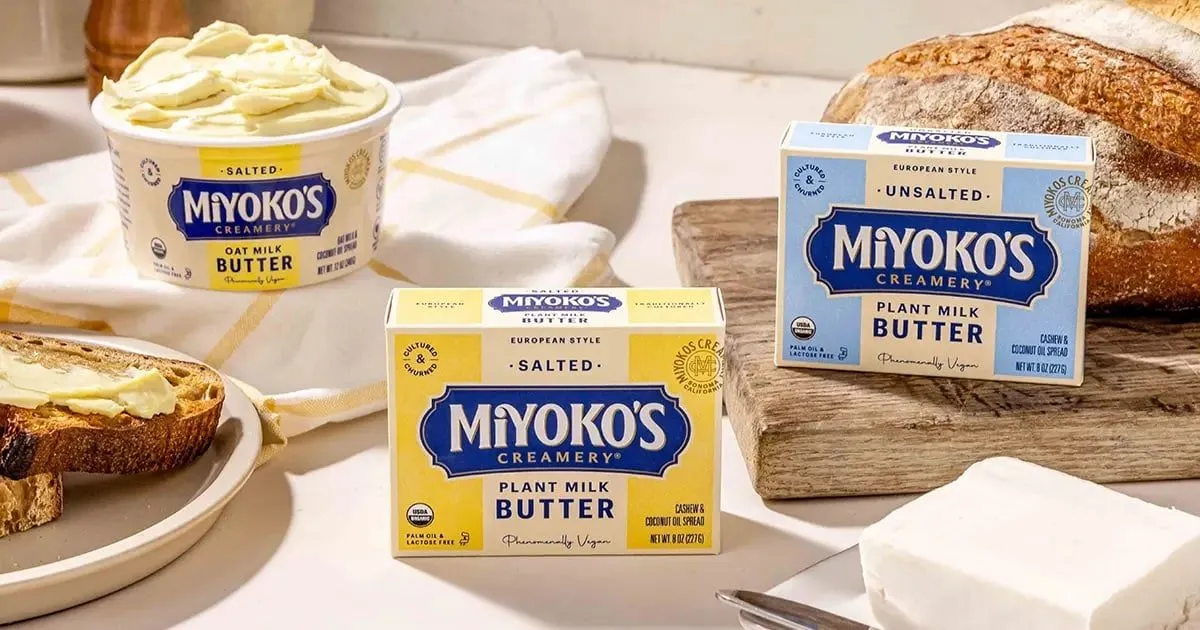
This situation is more complicated and still unresolved.
Miyokos went through financial restructuring and was acquired by the parent company of Melt Organic. Founder Miyoko Schinner is no longer involved with the brand.
As of now:
- The cultured vegan butter blocks and sticks are largely unavailable.
- There has been no confirmed relaunch timeline.
- Production appears paused or significantly reduced during the transition.
This does not mean Miyoko’s butter is officially discontinued but most shoppers can’t find it anywhere right now.
Update from the brand:
An update shared with me may help clarify the current status of Miyoko’s products.
A follower reached out directly to the VP of Prosperity Foods, the parent company that now owns Miyoko’s. According to that response, the company is actively working to bring Miyoko’s products back to store shelves with no changes to the formulation.
The timeline shared was:
- Oat butter, cream cheese, and spreads: expected in stores mid-March.
- Butter items: expected in stores in early April.
Update 4/11/26: Relaunch Details Confirmed
Since publishing, additional reporting has confirmed that Miyoko’s products are expected to return to store shelves late spring 2026. This aligns with earlier information I shared, indicating that production is being restarted under the new ownership, with products gradually returning to retail.
As I reported earlier, the relaunch is expected to include core items like butter, spreads, and cream cheese, and it’s now confirmed there will be no changes to the original formulations and recipes.
At the same time, founder Miyoko Schinner has made clear that she is no longer involved with the company and is distancing herself from the brand moving forward. As a result, the products returning to shelves will carry the Miyoko’s name, but that’s it.
As distribution resumes, availability will likely vary by region as products make their way back into stores
Trader Joe’s Quietly Axed Their Vegan Block Butter Too
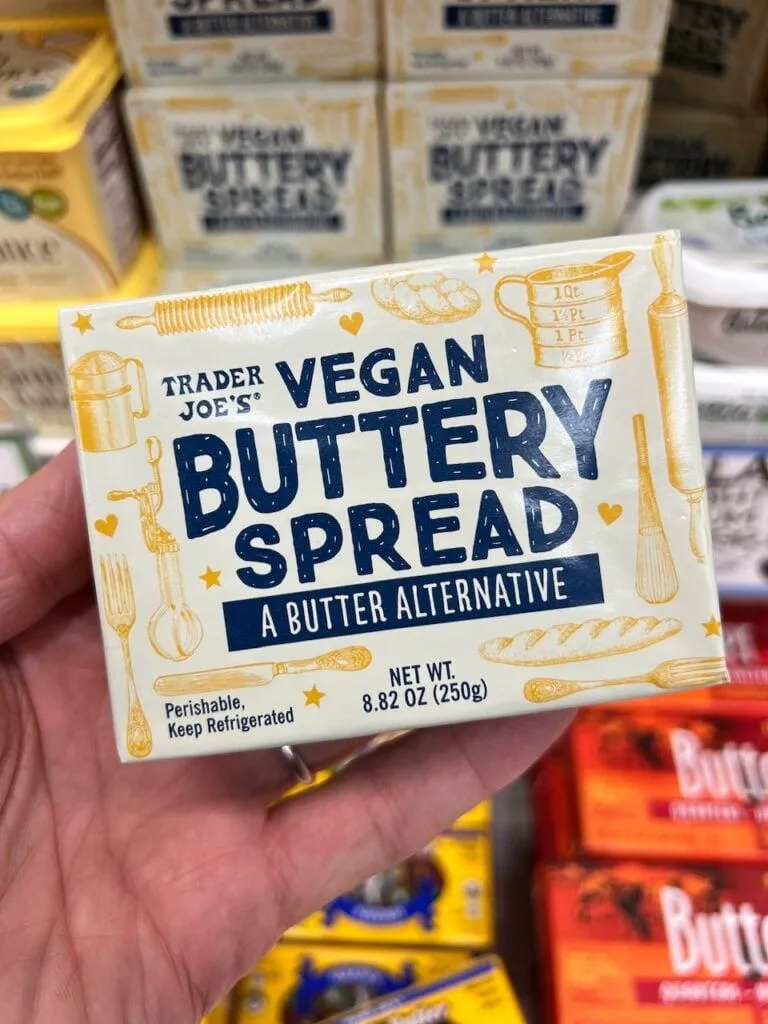
Add Trader Joe’s to the list.
As I reported a while back, Trader Joe’s discontinued its vegan butter blocks without any announcement which is very on brand for them. One day it was there, the next it wasn’t.
For many shoppers, this was the budget-friendly backup when other brands were out of stock. Its disappearance further shrank an already narrowing category.
A Bigger Pattern: Stick & Block Vegan Butter Is Disappearing
When you zoom out, this doesn’t see to be about one brand.
What we’re seeing is:
- Stick and block-style vegan butters disappearing.
- Spreads and tubs dominating shelves.
- Retailers prioritizing everyday toast use over baking performance.
From a business standpoint, spreads sell faster and appeal to more casual consumers.
From a baking standpoint, that’s a real issue.
Solid butter matters for creaming, structure, lamination, and pastry. Spreads simply don’t behave the same way no matter how good they taste.
Some are Throwing It Back and Making Homemade Vegan Butter Again
Before vegan butter sticks were plentiful in stores, Miyoko Schinner had published several homemade vegan butter recipes using the same basic method but slightly different ingredients and ratios.
With store-bought vegan butter sticks becoming harder to find, more people are turning back to making it at home. Her recipes aren’t complicated and some have commented that it’s a jab at the new owners of her company that she recently published another simplified version of her recipe yet again but that’s just speculation. Most feel she’s just being generous and kind by sharing her recipes.
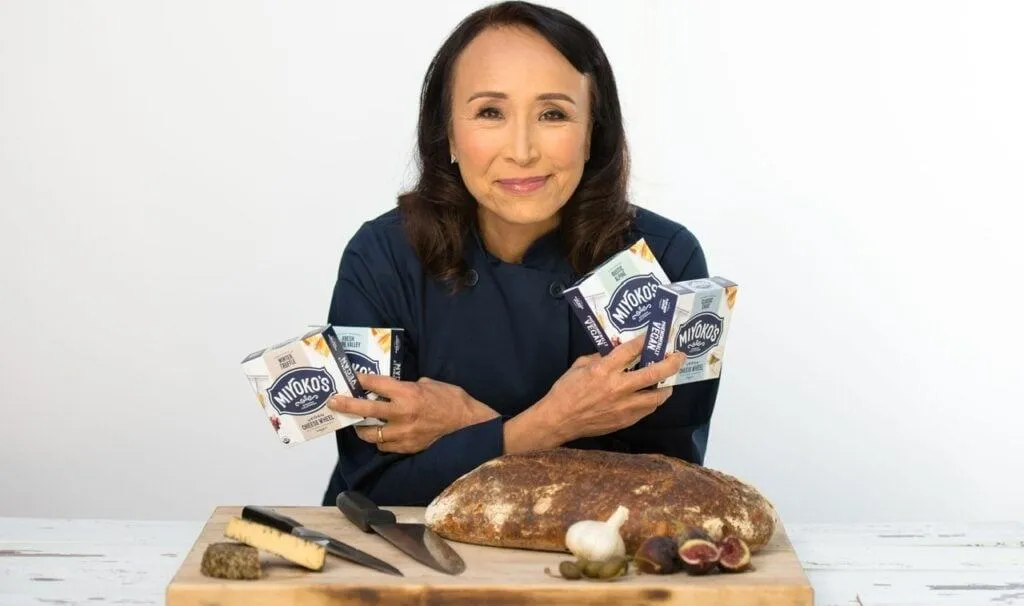
Miyoko Schinner‘s Vegan Butter Recipes (Three Versions)
1. Her Original Cookbook Version (2015)
Best for: serious baking, pastry, structure, and lamination.
This version comes from her book The Homemade Vegan Pantry and seems to be the most technical and stable of the three.
- 1 1/2 cups refined coconut oil, melted (not extra-virgin)
- 1/2 cup plant milk (soy, almond, cashew — cold)
- 1/4 cup neutral oil (canola, grapeseed, or light olive)
- 1/2 teaspoon sea salt
- 2 teaspoons liquid lecithin (helps emulsify and firm the butter)
Instructions (Store in the refrigerator for 3–4 weeks or freeze for longer).
Place all ingredients into a blender. Blend at medium speed for about 1 minute until the mixture is thick and smooth. Pour into a container lined with parchment or a silicone mold. Refrigerate for a few hours (or freeze briefly) until firm.
2. The VegNews Version (2013/2025)
Best for: home bakers who want reliability without specialty ingredients. This widely shared version removes lecithin and simplifies the process while keeping the same emulsification technique.
Ingredients:
- 1/2 cup cold vegan milk
- 1 teaspoon apple cider vinegar
- 1/2 teaspoon salt
- 2 cups refined coconut oil, melted but not hot
- 1/4 cup cold neutral oil (canola, grapeseed, or light olive oil)
Place all ingredients into a blender. Blend at medium speed for about 1 minute until the mixture is thick and smooth. Pour into a container lined with parchment or a silicone mold. Refrigerate for a few hours (or freeze briefly) until firm.
This recipe was developed by Miyoko Schinner and published by VegNews. The technique is based on the emulsified vegan butter method she originally introduced in The Homemade Vegan Pantry (2015).
It’s sliceable, bake-friendly, and much easier to make with standard grocery-store ingredients.
3. New “3-Ingredient” Version
(This is the simplified modern method promoted with Miyoko’s latest cookbook and social posts.)
Makes about 1 pound.
Ingredients:
- 3/4 cup refined coconut oil, melted but not hot
- 1 cup cold liquid oil (avocado, sunflower, or another neutral oil)
- 1/2–1 cup cold plant-based milk (soy, oat, cashew — try 1/2 cup first)
- Salt, optional and to taste
Instructions
- Blend the melted coconut oil with the cold liquid oil first.
- Add the cold plant milk and blend until the mixture thickens and resembles an emulsion (similar to mayonnaise).
- Transfer to a container and chill until firm.
If you’re not sure where to start:
If you bake a lot or make pastry: use the cookbook version.
If you want one solid all-purpose butter: use the VegNews version.
If you just need butter tonight: make the 3-ingredient version.
There’s no wrong choice, just different tools for different needs.
Store-Bought Vegan Butter Sticks & Blocks Still Available plus a brand new option from Wayfare
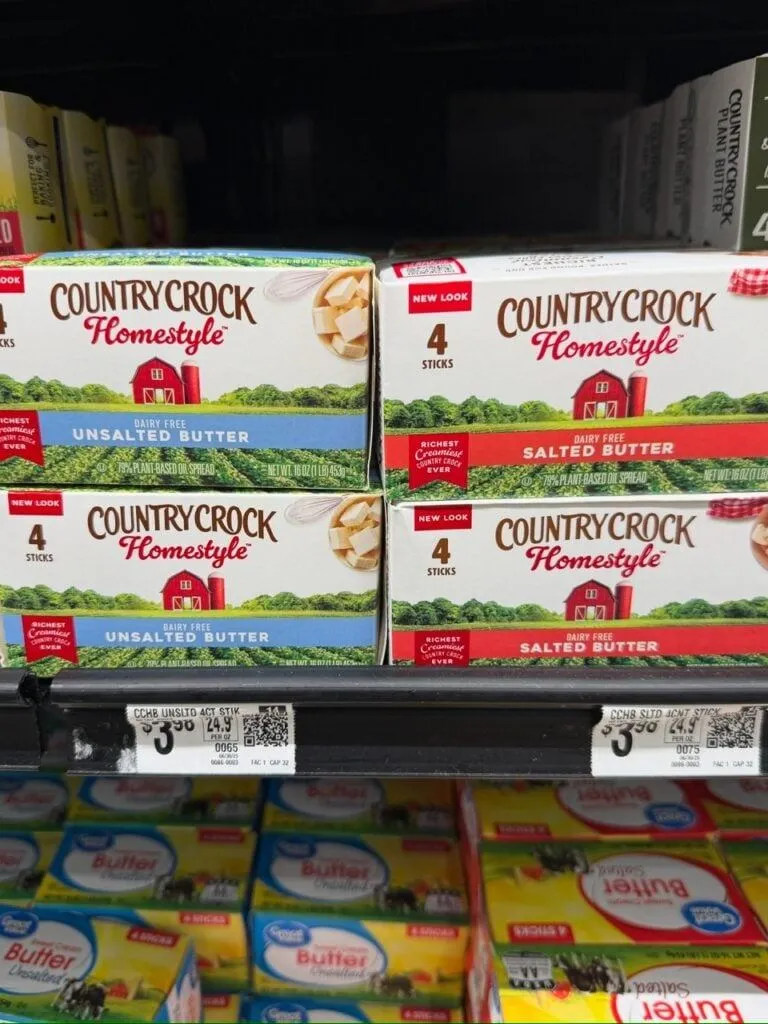
Country Crock Plant Butter & Homestyle Sticks
There’s been some confusion online about this, so here’s an answer I’ve researched:
Country Crock confirms that all products in their Plant Butter line are vegan and suitable for vegan diets.
Their term “Homestyle” refers to the flavor (salted or unsalted) not a separate non-vegan product line.
That means they are plant-based and dairy-free according to the company and ingredient lists.
The only ingredient some strict vegans may question is “natural flavors,” which can be ambiguous in general, but Country Crock still classifies these products as vegan.
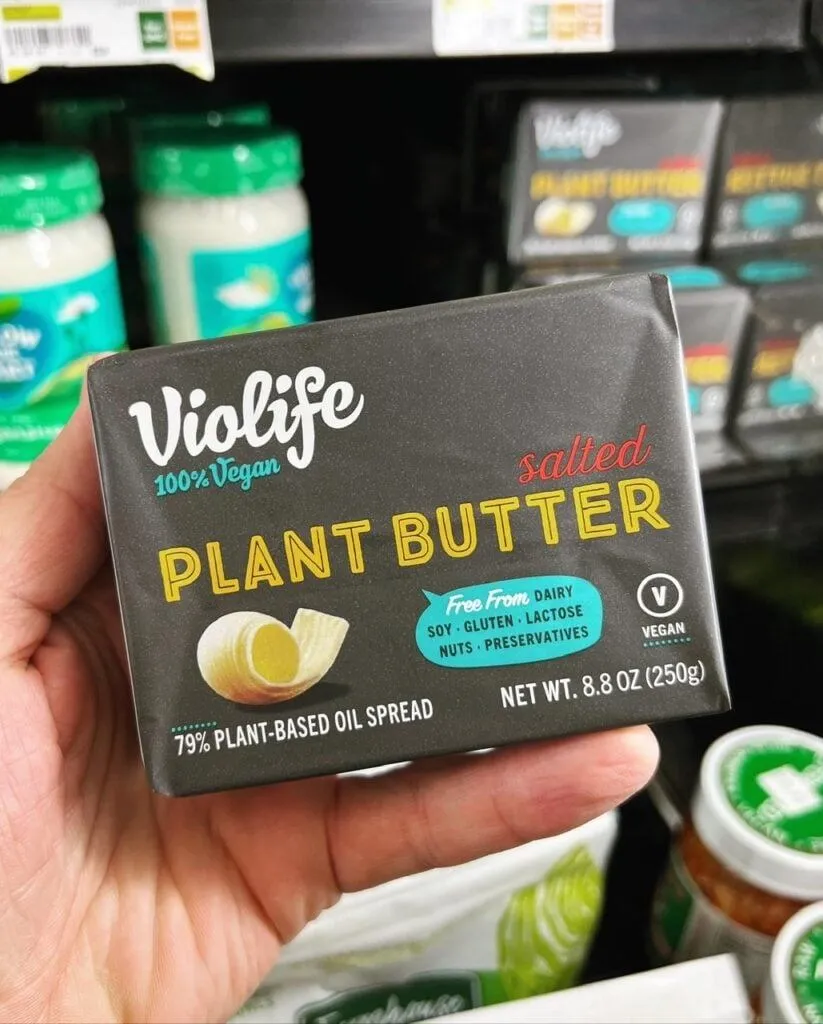
Other Options to Look For
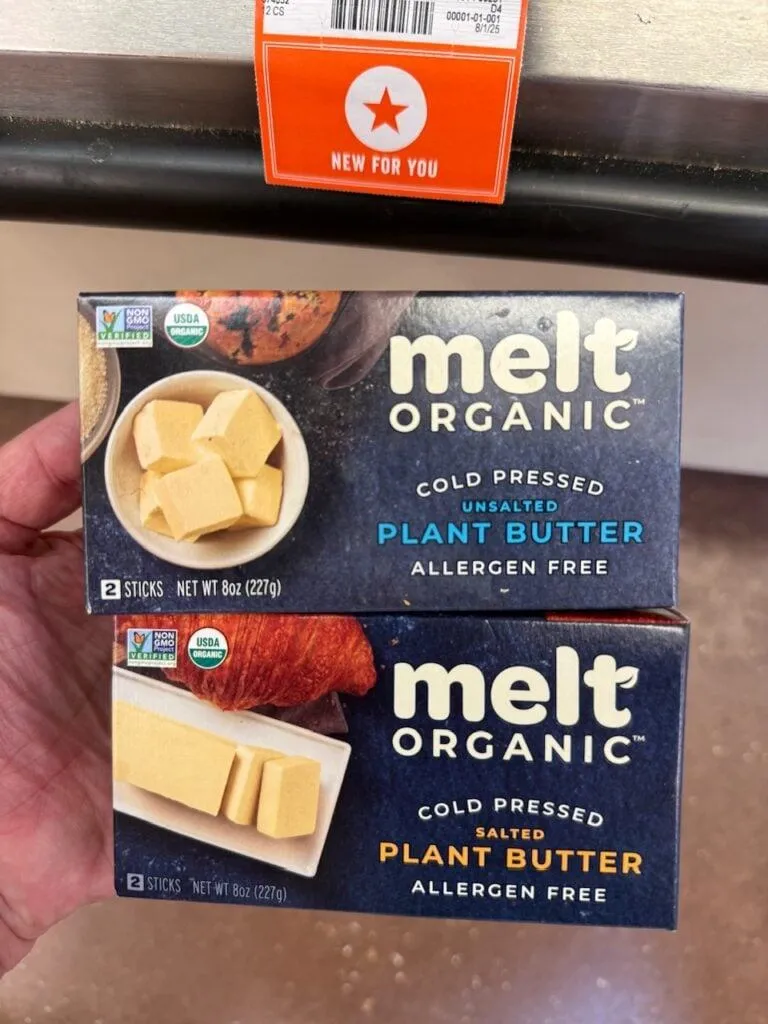
• Melt Organic plant-based butter sticks (availability varies)
• Violife plant butter (can be harder to find)
• Foodservice bricks from brands like Flora (sometimes available online)
Wayfare debuts new butter sticks in four varieties at NatExpo West 2026
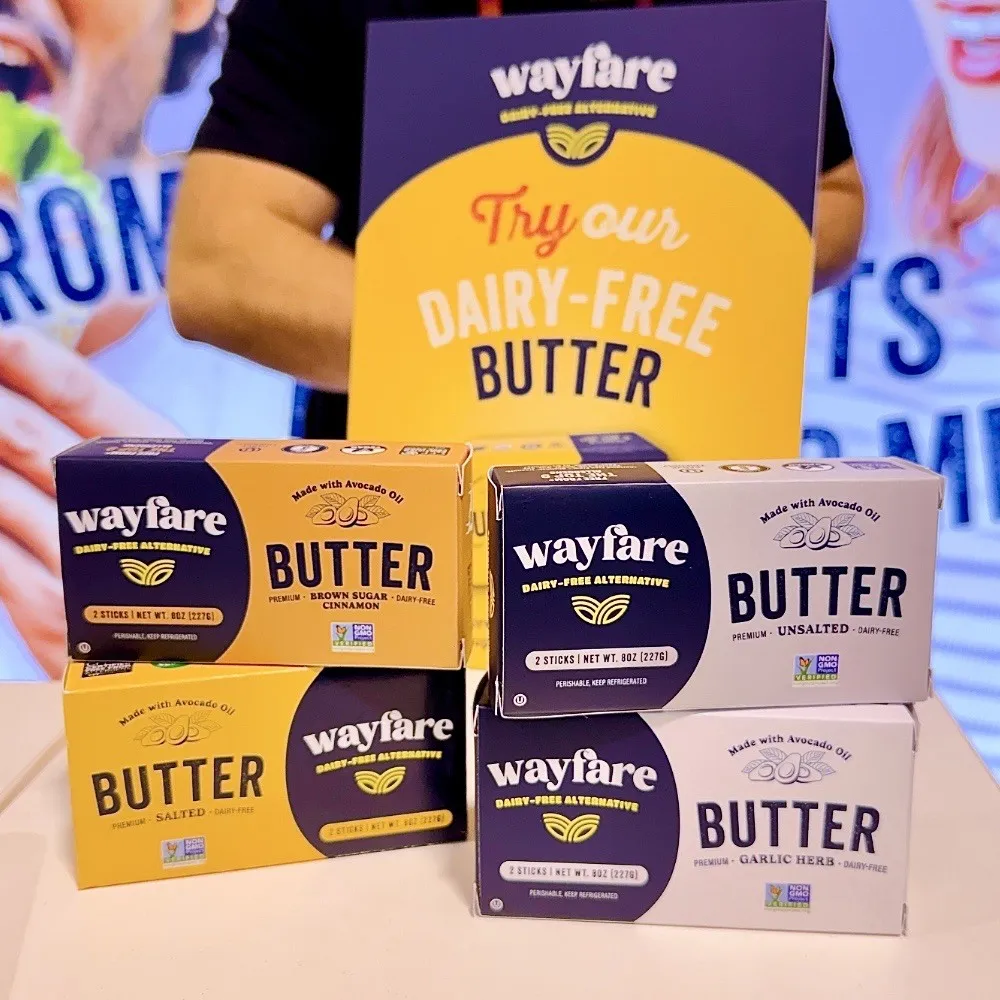
Wayfare Foods also previewed an expansion into the butter category at this year’s Natural Products Expo West in Anaheim, debuting four new plant-based butter sticks that could help fill the growing gap in the category. The lineup includes Unsalted, Salted, Garlic Herb, and Brown Sugar Cinnamon varieties. While the products were shown as upcoming releases rather than items currently on store shelves, the company indicated they are hoping to bring the new sticks to retail sometime later this year. If widely distributed, the move could offer another option for shoppers who prefer traditional stick-style vegan butter for baking, cooking, and spreading.
If your recipe relies on creaming, structure, or lamination, always choose stick or block formats over tubs when possible.
No one is saying vegan butter is disappearing entirely. But the availability of affordable vegan butter sticks and blocks lessening at least for now.
As brands consolidate and retailers focus on spreads, home cooks are adapting the way they always have: by learning, sharing, and making things themselves.
In a strange way, it feels like a full-circle moment. Before vegan butter was everywhere this is how some made it themselves, and it still works great!








Not sure if it will help, but I went onto the Earth Balance website and gave a ⭐⭐⭐⭐⭐ review to the sticks. If we all do that, maybe they will see what consumer preference really is!! These are my kid’s preferred butter and I really don’t know what we’ll do if they are discontinued. I can’t imagine the amount of single-use plastic I’d have to buy if we need to switch to the tubs, with how quickly we go through butter in our house
Go here and click on “write a review”:
https://www.earthbalancenatural.com/
Great idea, thanks!
Thank you for this info. I was tearing my hair out looking for Miyoko’s in preparation for Passover and now I have explanations, recipes, alternatives, and some hope that it may return. Bless you!
Do you know if it matters when making your own butter if the plant milk has any other ingredients, like gums? Also, could you use lemon juice instead of vinegar in the butter recipe?
I didn’t develop these recipes, so I’d rather not speculate. I’d check online to see if others have posted about this or check Miyoko’s books or website for more information. She may even respond to a DM on Instagram so you could try that as well. Best of luck!
I have more allergies than most, including canola oil and pea protein and xanthan gum. Wegmans actually had a plant based stick that worked for me – it was out of stock from December until about 2 weeks ago! no idea who their supplier is but it seems to still be safe for me. I was considering going back to my recipe, which i think it basically miyokos but i think i got it from a different website. excited to hear about miyokos butter possibly returning – only can do the solid bar and obviously i’ll double-check ingredients when it returns. thanks for that news
It was my understanding that Country Crock Homestyle sticks are not vegan and therefore are separate from their Plant Butter line. Maybe you could verify this.
I have already address this in the post but perhaps you missed it. Looks like they are marketed more as dairy-free but their ingredients list looks vegan by ingredients and is pretty much the same as their certified plant-based plant butter. The homestyle version are not certified plant-based like the plant butter sticks so that could cause confusion for customer service reps reading from a script so they may say they’re not vegan because they’re not certified but I’m only guessing. I post items with no known animal products and these qualify but If you have further concerns, I would suggest contacting the company directly or avoiding. I will reach out to them as well for a more definitive answer.