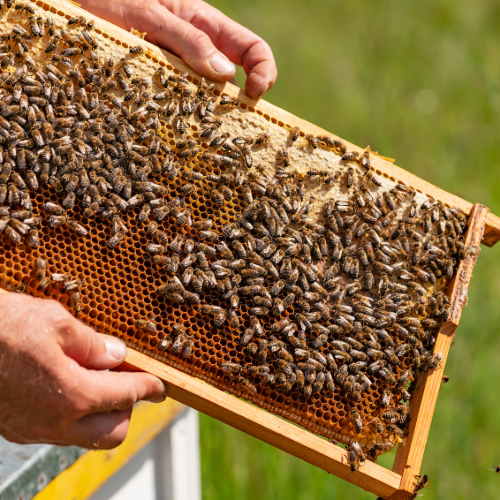
Honey is often marketed as a wholesome, natural sweetener, but is it vegan? The answer isn’t really that complicated as it’s the product of an animal so seems pretty straightforward that it’s not vegan right? Some vegans say “not so fast…” and claim they still eat honey but identify as vegan.
So what’s the buzz?
Honey production relies on the exploitation of bees who are sentient beings that create honey for their own survival. Beyond honey, products like royal jelly (aka “bee milk”) also raise serious ethical concerns.
In this post, we’ll explore why I feel honey isn’t really vegan, how bees make honey, whether bees feel pain, the ethics of royal jelly, and plant-based alternatives you can use instead.
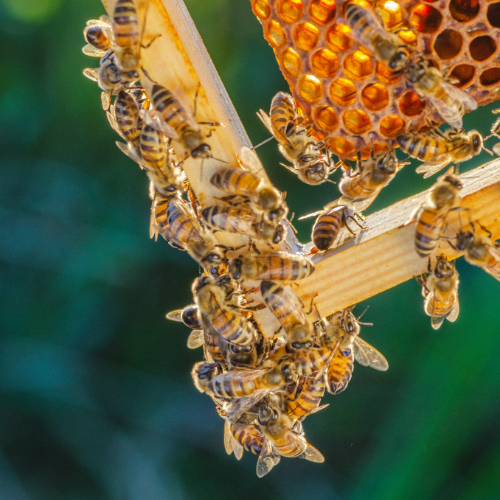
Do bees feel pain?
Recent research suggests bees and other insects experience pain-like states, stress, and even emotions. Bees show signs of pessimism after negative experiences and demonstrate learning, memory, and problem-solving skills.
For vegans, this matters because if bees can suffer, then exploiting them for food doesn’t seem ethical.
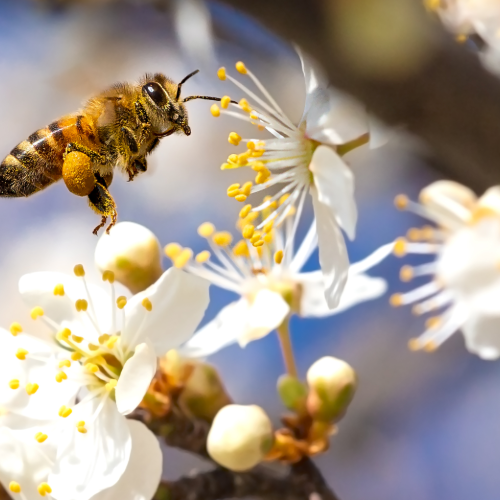
How do bees make honey?
Honey is not just “bee vomit” as it’s sometimes simplistically described. The process is fascinating:
- Bees gather nectar from flowers.
- They store it in their “honey stomach,” mixing it with enzymes.
- Back at the hive, bees pass nectar to each other, reducing water content.
- They fan the liquid with their wings until it thickens into honey.
- The honey is sealed in wax cells for storage in their “bees’ pantry” for winter survival.
When humans harvest honey, they’re essentially taking bees’ stored food supply.
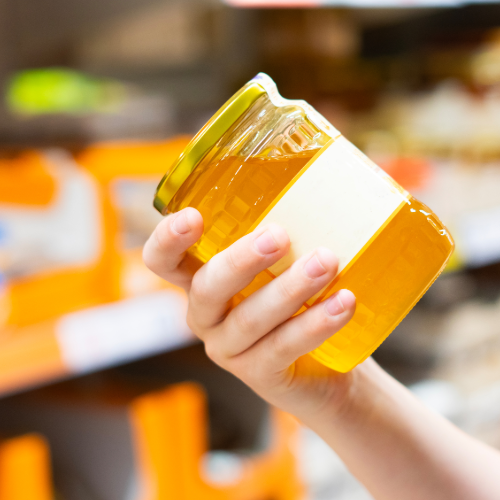
So, why isn’t honey vegan?
Commercial honey farming often involves:
- Taking the bees’ honey and replacing it with sugar water, which lacks essential nutrients.
- Clipping queen bees’ wings to control colony movement.
- Artificial insemination of queens, an invasive and harmful practice.
- Killing entire colonies if they’re deemed unprofitable.
If this system treats bees as tools, not as living beings, shouldn’t that factor into your decision to consume?
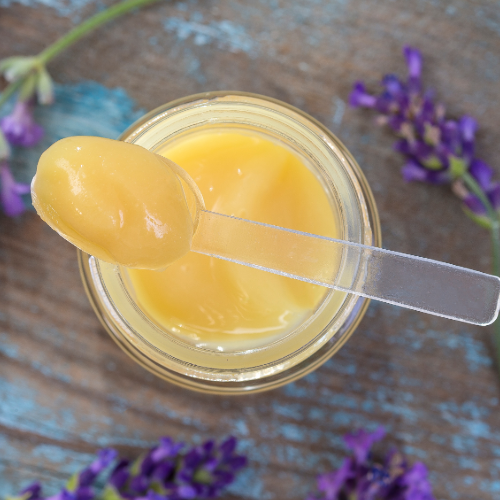
The Ethics of Royal Jelly
Royal jelly (sometimes called “bee milk”) is a substance secreted from glands in worker bees’ heads. It’s used to feed all larvae in their first days and exclusively nourish the queen bee throughout her life.
Harvesting royal jelly means removing food meant for baby bees and the queen. This disrupts natural hive dynamics and commodifies a vital, biologically produced substance. Like honey, royal jelly is really not vegan.
🐝 Why it matters
Bees are essential pollinators, responsible for much of the world’s food supply. Exploiting them for honey and royal jelly weakens colonies, increases stress, and can contribute to bee population decline which is a serious environmental issue.
Choosing vegan alternatives supports pollinator health and a more sustainable food system.
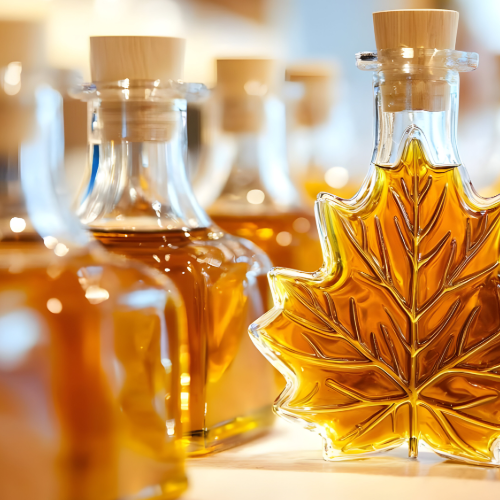
Some vegan options
You don’t need to miss out on sweetness. Try these plant-based options:
- Maple syrup: classic and nutrient-rich.
- Agave nectar: mild flavor, great in drinks.
- Date syrup: mineral-rich, caramel-like taste.
- Barley malt syrup: thick and malty.
- Molasses: robust and full of iron.
- Vegan honee: these mimic the taste of honey often using apples or tapioca.
What’s a “beegan”?
The term “beegan” refers to someone who identifies with veganism but still consumes honey. If that’s you, you’re not alone as many people see honey as “natural” or less harmful than other animal products or think it has allergy benefits (the science isn’t there yet for this claim).
The truth is though, bees create honey for themselves not us. It’s their nutrient-rich food supply, especially for surviving winter. Commercial honey farming can harm bees through practices like clipping queens’ wings, replacing honey with sugar water, and stressing or even destroying colonies.
But here’s the encouraging part, being a beegan means you’ve already taken huge steps toward compassion. You’ve cut out meat, dairy, and eggs, and that’s massive. Moving away from honey is simply another step on the same path.
Now it’s easier than ever to cut out honey, thanks to delicious plant-based sweeteners like maple syrup, agave, date syrup, molasses, and vegan honey brands made from apples or tapioca.
Honey and allergies: fact or myth?
Some people say eating local honey can help with seasonal allergies. The idea is that honey contains tiny amounts of local pollen, which may act like a natural “allergy shot,” gradually desensitizing your body.
- Honey mainly contains flower nectar pollen (from plants bees visit), not much of the airborne pollen (like grasses, weeds, and trees) that usually triggers seasonal allergies.
- Research on honey for allergies is limited and mixed. A few small studies show mild improvements, but most evidence suggests honey isn’t an effective allergy treatment.
- Medical experts generally agree: honey is not a reliable way to prevent or treat seasonal allergies.
🍯 The bottom line
Some people feel that bees naturally make more honey than they need and therefore “freely” give the excess, which makes it seem harmless for humans to take. This perspective often comes from seeing bees as generous or abundant creatures, but in reality, bees produce honey for their own survival, and removing it (even if replaced with sugar water), takes away their natural food source.
I personally don’t feel honey and royal jelly are vegan because they exploit bees, animals capable of suffering who make these substances for their own survival. By opting for plant-based alternatives, you respect bees’ lives, protect the environment, and enjoy cruelty-free sweetness. While it’s understandable that opinions may vary, veganism at its core avoids using animal products full stop, and honey is an animal-derived product. That’s not an opinion, it’s a fact but I try and meet others where they are in their journey and hope as they gain more knowledge, that they make kinder choices for not only bees, but for all animals.