
Baking without eggs or dairy might sound tricky at first, but it’s easier than you think. Whether you’re vegan, managing allergies, or just ran out of ingredients, there are plenty of simple swaps that can make your cakes, cookies, and muffins turn out just as delicious. In this guide, we’ll walk through the best egg and dairy substitutes for baking and how to use them successfully.
I’ve been a vegan baker for over 30 years and I’ve tried just about everything, so I’ve learned what works and what doesn’t, but the thing is, a lot of things work well so it can sometimes come down to personal preference, cost and availability of the ingredients your swapping. Baking is a science though so measuring accurately and following recipes is important for a successful vegan bake.
Why Bake Without Eggs or Dairy?
There are many reasons one might skip eggs or dairy including:
- Following a vegan lifestyle.
- Food allergies or lactose intolerance.
- Health choices or reducing cholesterol.
- Simply running out of ingredients!
Luckily, you don’t really need eggs or dairy for moist cakes, chewy cookies, or fluffy muffins.
Egg Substitutes When Baking
Eggs usually provide structure, moisture, and binding. Here are some plant-based alternatives:
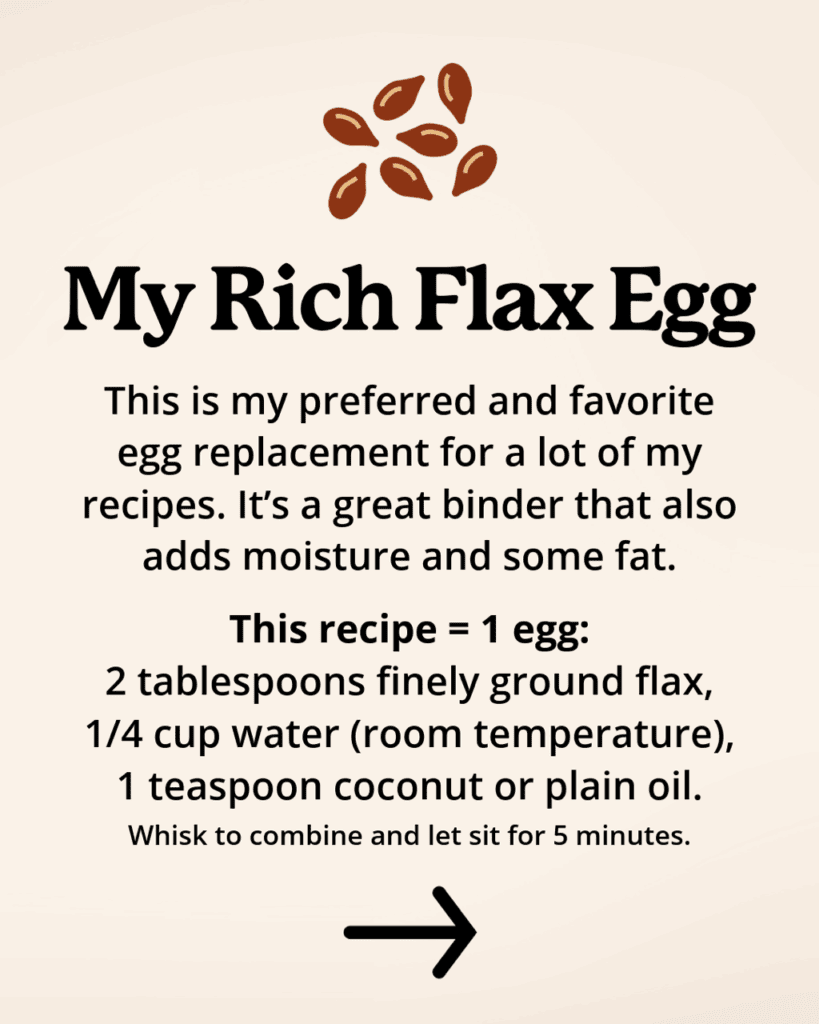
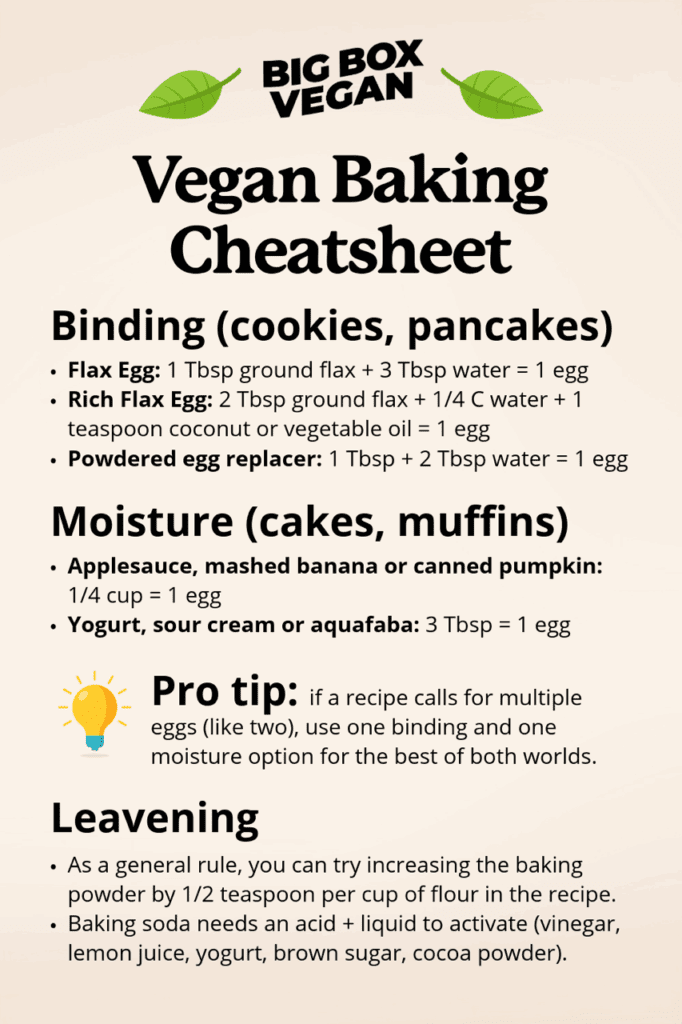
- Standard Flax Egg: Mix 1 tablespoon ground flaxseed with 3 tablespoons water. Let it sit for 5 minutes until gel-like. Great for muffins, quick breads, and pancakes. See my rich flax egg recipe picture below and save it! This is my favorite flax egg to use as it adds a bit of fat which regular eggs contain and I’ve used it with great success in a lot of my recipes.
- Aquafaba: Aquafaba is the liquid from canned chickpeas (or other beans), and it works shockingly well as a replacement for eggs and egg whites. The proteins and starches in the liquid mimic the foaming and binding abilities of eggs. 3 tablespoons aquafaba = 1 whole egg or 2 tablespoons = 1 egg white. Best for recipes where fat content isn’t as important like meringues, macarons and lighter cakes.
- Applesauce, mashed banana or canned pumpkin: 1/4 cup replaces 1 egg. Perfect for moist cakes and cookies especially ones that are the same flavor as the ingredient.
- Vegan yogurt or sour cream: 3 tablespoons generally replaces 1 egg. These swaps add fat and moisture, great for cakes and quick breads.
- Chia seeds: ground or whole seeds can replace eggs (1 tbsp chia + 3 tbsp water = 1 egg) and add moisture, binding, or crunch to recipes. They also work as a natural thickener for jams, puddings, and fillings while boosting nutrition in breads, muffins, and cookies. Ground chia blends into batters more smoothly, while whole seeds add a little crunch.
- Commercial Egg Replacers: Powdered products like Bob’s Red Mill mimic eggs and work well as a binder but don’t add moisture. Liquid products like Just Egg can sometimes work well by adding moisture and structure and I’ve used them for some bakes where I want a spongier texture. Some feel the spices in Just Egg can be off-putting but I’ve never noticed them in my final bakes.
- Cornstarch: this can act as a binder and thickener and I often add a tablespoon to the dry ingredients of my recipes even when I’m using other egg replacers as it can tenderize a bake and stop proteins from forming which can result in a tougher texture. You could also mix two tablespoons with three tablespoons water for a liquid substitute but I prefer adding it as a dry binder. See more about cornstarch and its role in vegan baking later in this post below.
PRO TIP: if a recipe calls for multiple eggs (like two), you could use two different substitutes (like one flax egg and some vegan yogurt for the other egg) for the best of both worlds.
Experiment with different combinations as some work better for certain types of baked goods than others. I often use various combinations within one recipe like flax egg, an acid in vegan milk and cornstarch to achieve a good texture in the final bake.
Leavening (helping baked goods rise)
Most baking recipes use baking soda and baking powder for lift. Without eggs, vegan batters often lack natural structure and lift. Eggs trap air and help expand it in the oven but without them, we sometimes need a stronger chemical reaction.
- Extra baking soda or powder = more gas bubbles to replace the leavening eggs normally provide.
- Moisture-rich egg replacers (like applesauce, banana, or yogurt) can make batter denser, so a little more leavening helps lighten things up.
- Recipes with heavy whole grains, nut flours, or lots of fruit also benefit from extra rise.
Baking Soda
- Needs an acid + liquid to activate (vinegar, lemon juice, yogurt, brown sugar, cocoa powder).
- Produces carbon dioxide bubbles that make baked goods rise.
- Works instantly when mixed, so batters should be baked right away.
- Example: Vegan chocolate cake often pairs baking soda with vinegar for lift.
Baking Powder
- Contains both baking soda + acid (cream of tartar).
- Usually double-acting: reacts once when wet, and again with oven heat.
- More reliable than baking soda alone, since it carries its own acid.
- Great for muffins, cakes, and cookies that need consistent rise.
I often increase the amount of baking powder up to one tablespoon in some of my recipes to get the required lift for a lighter bake.
Bottom line is if you’re veganizing a recipe and looking to just swap the eggs and dairy, you may also want to increase the amount of leavening too. I often combine baking powder and a little baking soda + acid (like 1 tsp vinegar or lemon juice) as this mimics the lift eggs would normally give. Sometimes I’ll add the acid to vegan milk to make a “buttermilk” style concoction and let it sit for a few minutes to thicken. As a general rule though, you can try increasing the baking powder by 1/2 teaspoon per cup of flour in the recipe.
Dairy-Free Milk Substitutes
Most dairy-free milks can be swapped 1:1 for dairy milk. Choose based on flavor and fat content:
- Oat milk: Neutral, creamy and works in almost everything.
- Almond milk: Light, slightly nutty flavor.
- Soy milk: Higher protein, similar to cow’s milk in baking and my personal choice.
- Coconut milk: Rich and creamy and great for puddings.
- Condensed or evaporated milks: these are available made from coconut or oat milk now.
Dairy-Free Butter & Cream Substitutes
Butter adds flavor and fat, but there are options:
- Vegan butter: Works best for cookies, cakes, and pastries and stick style is best as it contains less water than tub varieties.
- Coconut oil: Great in muffins and cookies (adds slight coconut flavor if you use unrefined).
- Vegetable oil: Best in quick breads and cakes.
Heavy and Sour Cream
- Commercial varieties of heavy whipping and sour creams are readily available now. Brands like Country Crock, Califia, Violife, Silk, Kite Hill and more have options.
Starches
Cornstarch helps in baking because it creates tender, light, and structurally sound baked goods, thickens sauces and fillings, and provides a gluten-free alternative to flour, enhancing the texture of cakes, cookies, and other desserts by preventing tough proteins from developing.
- Functions as a binder, helping hold ingredients together. I use one tablespoon in my cake and cookie recipes and add it to the dry ingredients. It doesn’t replace an egg substitute but enhances it.
- Great for cookies, shortbread, or recipes that need structure without adding extra flavor.
- Also thickens dairy-free puddings, and pie fillings.
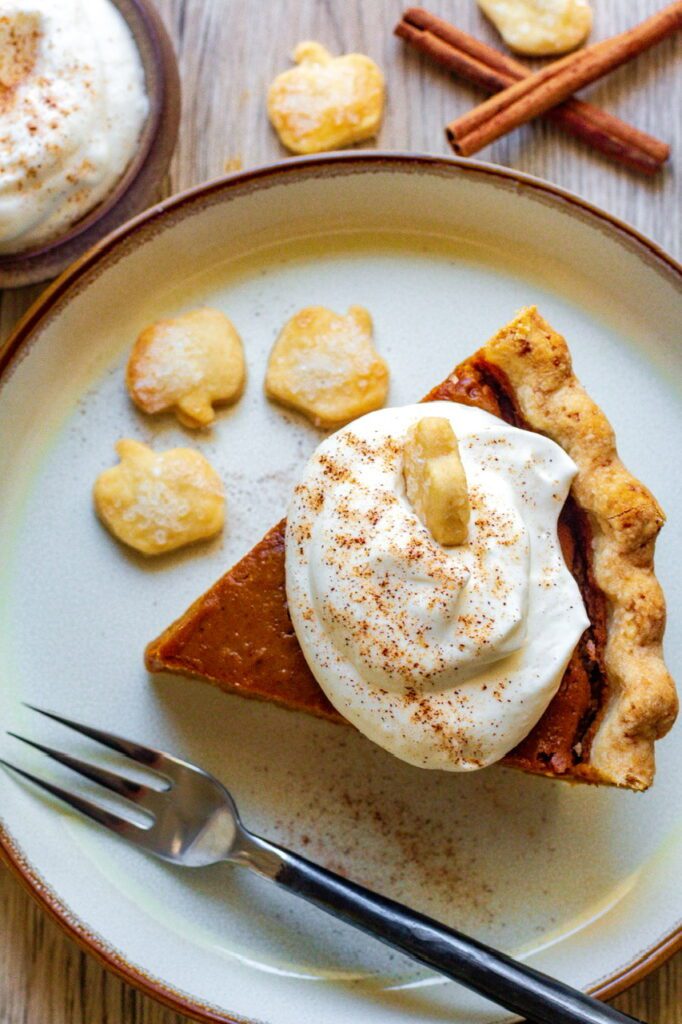
Cornstarch isn’t the only thickener in vegan baking though as some are allergic. Potato starch, arrowroot, and tapioca starch are all great swaps. Potato starch can lend a tender, moist crumb in cakes and breads (I also prefer it in my vegan pumpkin pie recipe), arrowroot makes sauces and fillings glossy and smooth, and tapioca adds chewiness (perfect for things like brownies or puddings). Each one works a little differently, but they’re all handy plant-based tools to keep textures light, creamy, or chewy without dairy or eggs.
Swaps for Baking Mixes
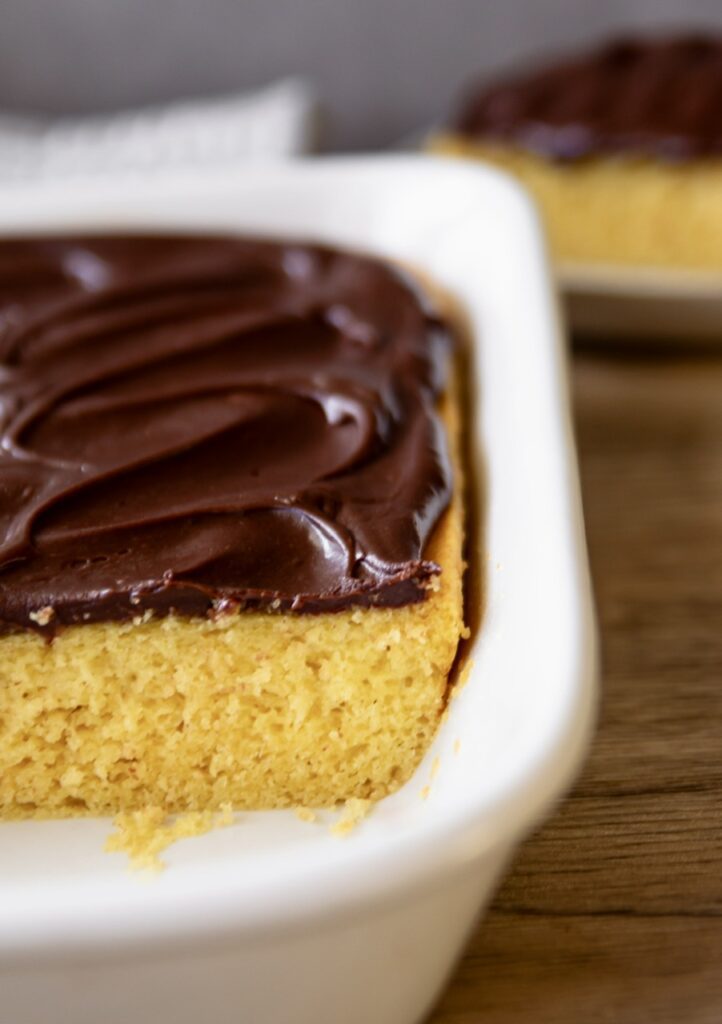
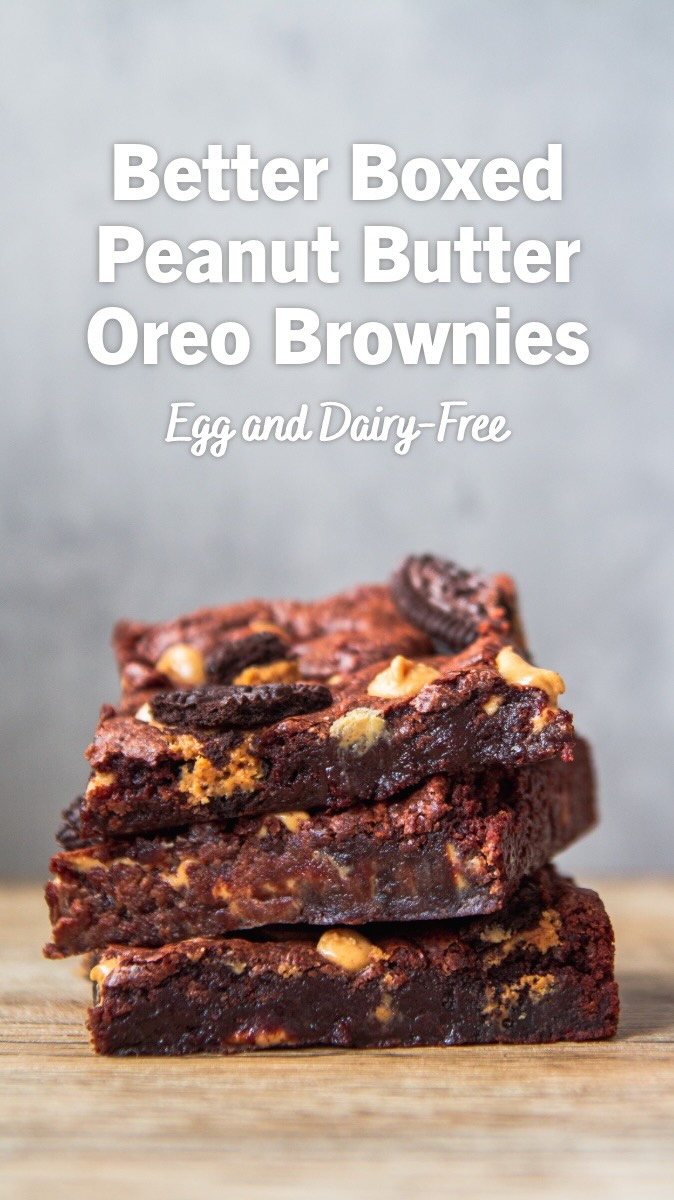
If you’ve ever made brownies or a cake from a boxed mix and the results were like lava for the brownies or tough and rubbery for the cake, it’s because a 1:1 swap of ingredients often doesn’t work. Two of my top recipes are for what I call “better boxed” vegan cake and brownies. I experimented for years and finally developed a method that worked for most boxed mixes. From the great reviews, others have found joy in baking from boxed mixes again. The answer was in using a combination of egg replacements and adjusting the added ingredients amounts until the right taste and texture was achieved. I know some believe a can of soda or seltzer will make a great boxed cake but the taste and texture was all wrong to me. Check out my recipes here.
Tips for Success
- For flaky pastries, stick with vegan butter sticks instead of softer vegan butter or oils.
- Always check baking times as egg-free and dairy-free recipes may bake faster or slower.
- Rest your batter (sometimes). Quick breads, cakes and muffins often benefit from a short rest (10–15 min) before baking so starches hydrate and binders activate.
- Bake right away if using vinegar + baking soda or aquafaba and get your batter in the oven quickly to trap the air bubbles.
- Cool completely. Vegan baked goods firm up as they cool. Don’t judge texture until they’ve set at room temp.
- Experiment and taste-test. Not every swap works in every recipe, so keep notes so you can tweak for next time.
Vegan baking is about balance: moisture + structure + lift. Once you know what each ingredient contributes, you’ll be able to swap by making educated decisions.







Pingback: No vegan label? Here’s what that might mean! – Big Box Vegan