
In the last decade, we’ve seen a remarkable rise in plant-based innovation and it’s one reason my account has grown year after year due to the interest in veganism and plant-based foods. From restaurants going fully vegan to beloved brands dropping dairy for oat milk, it felt like the momentum toward a more sustainable, cruelty-free future was unstoppable. But lately, a new trend has been creeping in and it’s one that’s leaving many vegan consumers scratching their heads and getting concerned.
Businesses seem to be backtracking on their vegan stance. ⏪
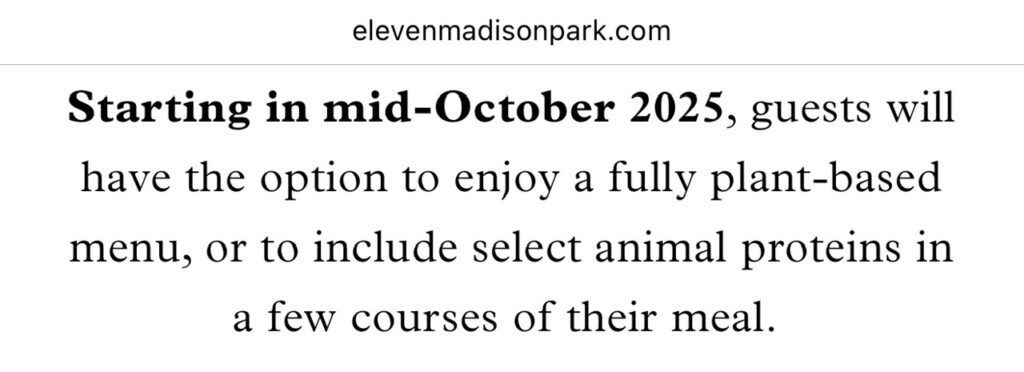
Eleven Madison Park, the world-famous fine dining restaurant in New York City, made headlines in 2021 when it went completely plant-based. It was a bold move, and one that made international news. But recently, they announced the return of meat to the menu sparking a lot of conversation on social.
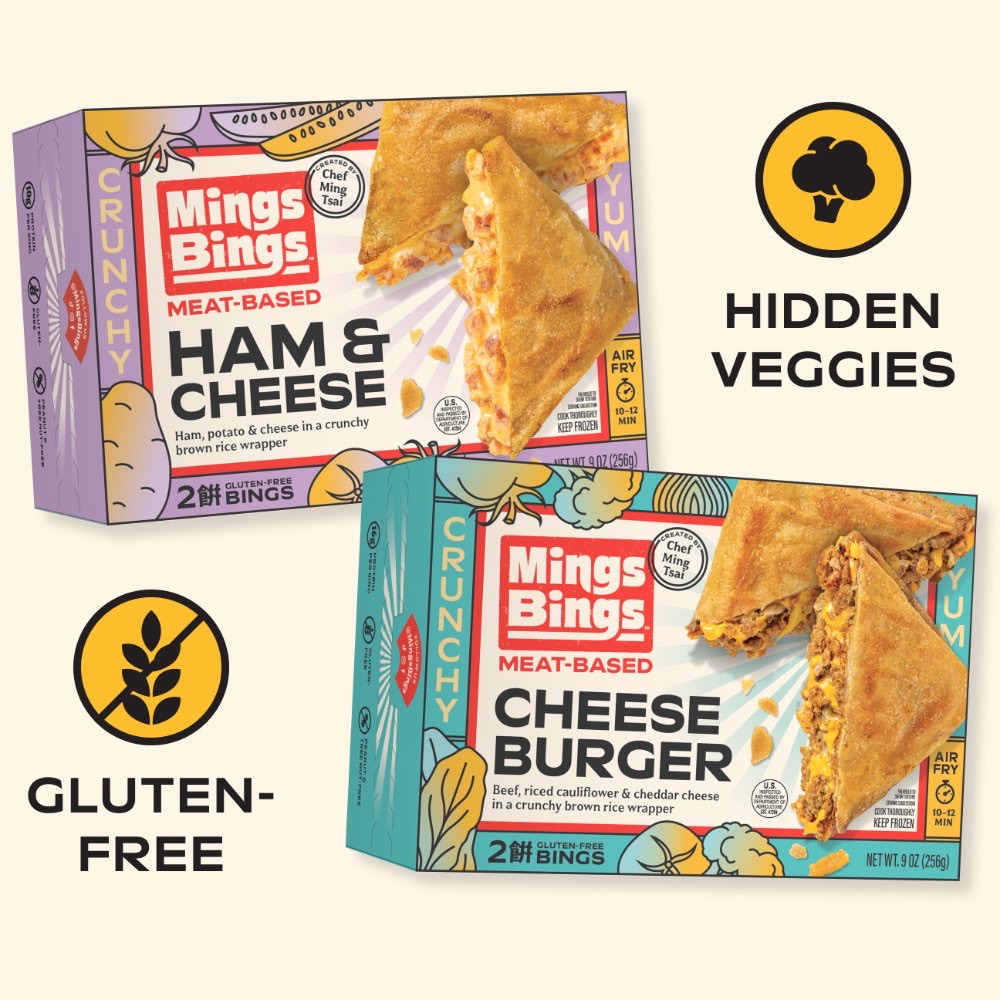
Then there’s brands like Cosmic Bliss, formerly Coconut Bliss, who took a sharp turn in 2022 by adding dairy ice cream to their lineup, after years as a proudly vegan brand. Mings Bings started when Chef Ming Tsai’s wife transitioned to a mostly plant-based diet after a health scare, hoping to reduce inflammation through food. Tsai’s frustration with the limited and unsatisfying vegan options available in stores inspired him to create MingsBings but they’ve recently added meat and dairy to their former plant-based offerings.
In the past month, Chomp Chocolates founder, Ben, announced in a heartfelt social video that his dairy-free chocolate company that positioned itself as the vegan alternative to big-name milk chocolate brands was taking a break to outsource production and adding non-vegan mix-ins to their “build a bar” side of their business. While he remains vegan, he didn’t see another way to survive this current climate.
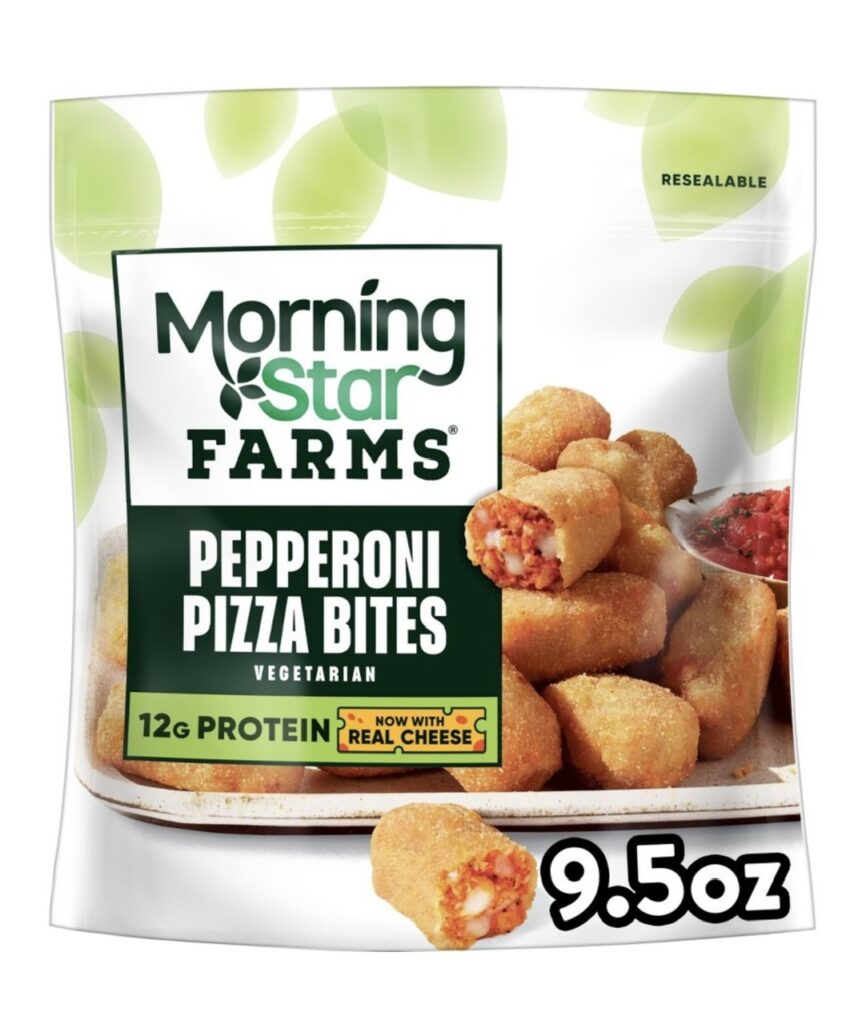
Morningstar Farms had committed years ago to having a fully vegan product line and kept moving the date out and then seem to have abandoned the idea all together after getting a lot of press for the pivot. Recently, they’ve started to actually add dairy cheese to previous certified plant-based items causing outrage and confusion and these are just a few examples.
Why is this happening?
Running a fully vegan business is not for the faint of heart. While demand for plant-based options has certainly grown, veganism still makes up a small percentage of the overall market. Many businesses rely heavily on non-vegan customers to survive and if sales aren’t meeting targets, adding animal-based products can be seen as a way to appeal to a broader and growing flexitarian audience.
Add in factors like:
- Rising food and labor costs.
- Those who consider themselves vegan only make up a small percentage of Americans.
- Supply chain issues.
- Competition from large mainstream brands entering the plant-based space.
- The challenge of educating and convincing new customers.
These are just a few reasons so you can start to understand the financial pressures. For some owners, it’s not about abandoning their values as much as it’s about keeping the lights on although it makes some question whether or not animals and their lives were ever the main consideration for the choice to begin with.
The vegan community’s reaction
Understandably, many vegans feel betrayed when a brand changes direction. After all, we want to support businesses that align with our values, and a pivot back to animal products can feel like a step backward.
But here’s where it gets complicated, not every change like this erases progress. Sometimes, keeping vegan options alive within a non-vegan menu or product line means more people have access to them. It may not be the ideal scenario, but it still keeps plant-based food in the conversation and in the shopping carts of people who might not otherwise try it. Some have stated that they wished businesses wouldn’t have labeled themselves vegan to begin with and they might have felt less betrayed which is valid as it makes it seem like they never really had animals in mind at the core of their beliefs but rather saw veganism as more of a dietary choice.
My opinion
I’m not someone who only supports 100% vegan brands and I eat at plenty of non-vegan restaurants and share products from companies that offer both vegan and non-vegan options. Why? Because I think progress happens in many ways:
- Every vegan menu item in a mainstream restaurant can be a win.
- Every plant-based product on a big-box store shelf can maybe move the needle forward.
- Every customer who tries something vegan and likes it may be one step closer to choosing it again.
That doesn’t mean I don’t celebrate the brands that remain fully plant-based because I do, loudly. But I also recognize that the road to a more plant-based future isn’t always a straight line, and supporting good vegan options, wherever they come from, helps. I do however, see both sides and often get angry and frustrated as well when I feel like veganism is losing.
I had a long conversation earlier this year with a towering figure in the vegan space and we shared our common feelings that something had changed and that options and the conversation were shifting. Less exciting products coming out and brands and restaurants either pivoting or closing dominated our chat. At the end, we gave each other a big hug for support and vowed to stay the course but I couldn’t help feeling sad and a bit deflated.
To sum it up
When a vegan business adds meat or dairy back, it’s easy to see it as giving up on the mission. But often, it’s about survival, not abandonment. While it can sting, I think there’s still value in supporting great vegan options, no matter the source even though I don’t love the direction it seems to be moving towards.
There is a flip side though and plenty of brands do stay fully plant-based and are staying the course and succeeding. They deserve support just as much, if not more in my opinion but if we want more plant-based choices in the world, we may have to meet people and businesses where they are, while still pushing for the future we believe in. It’s not going to be easy and there will be wins and losses along the way but I always say it’s about progress, not perfection. What do you think?
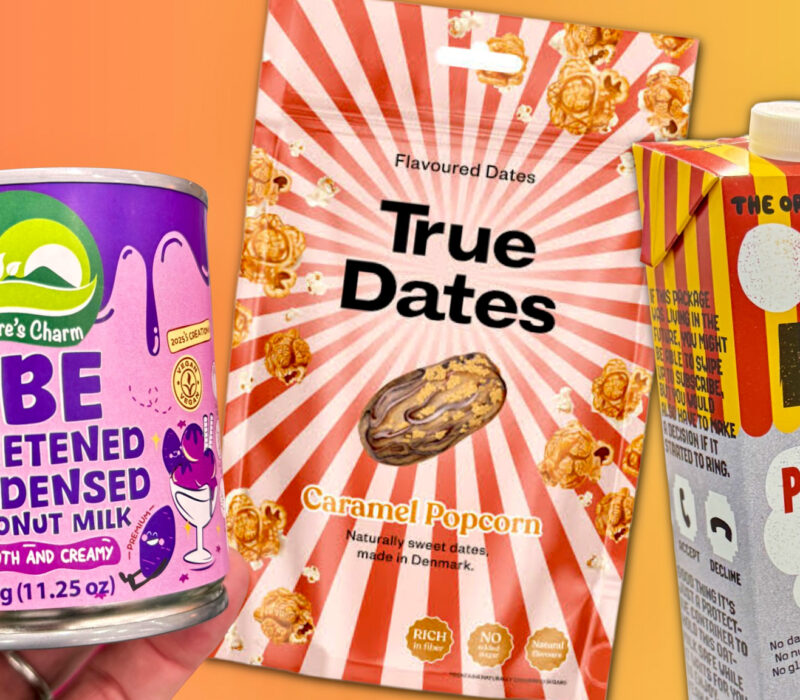
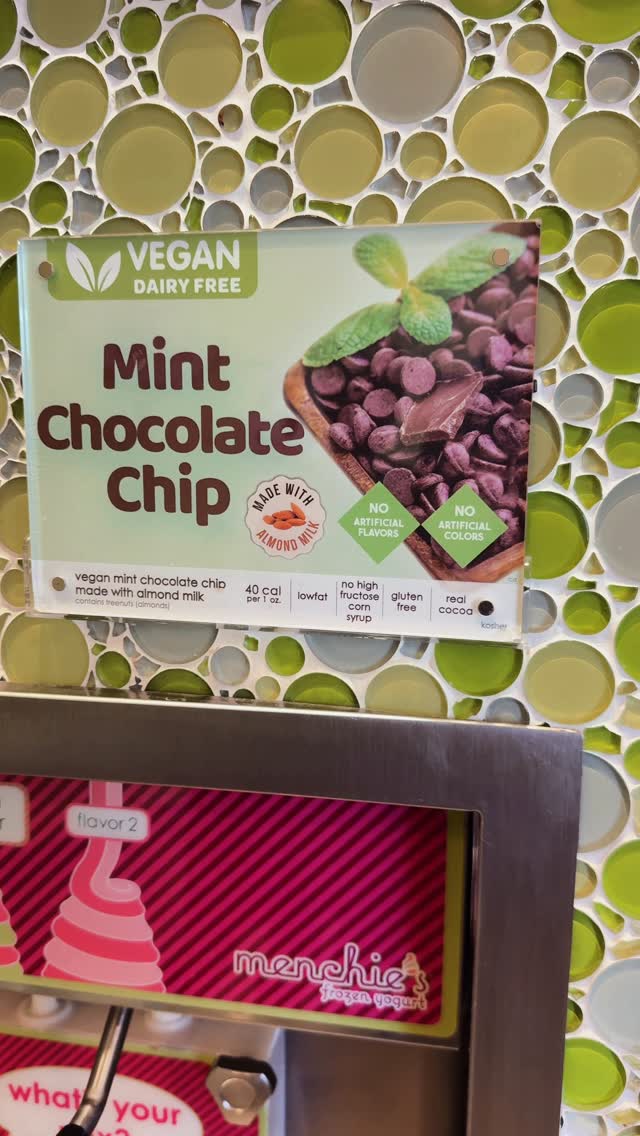



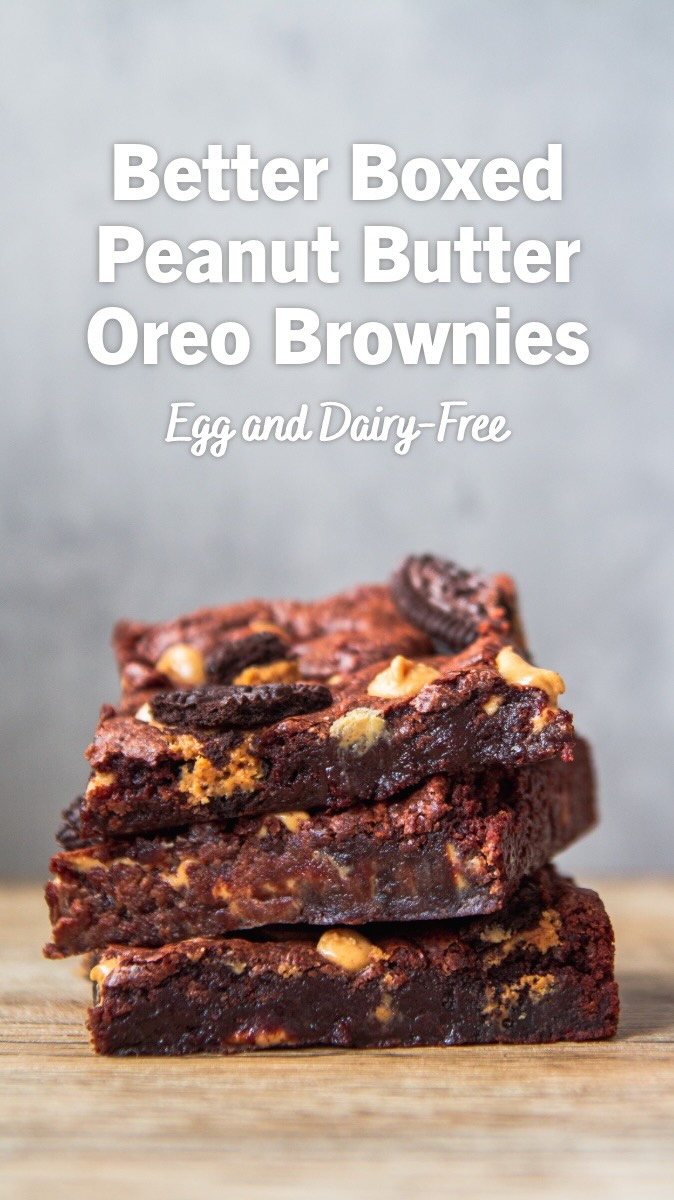



i personally dont care much if brands have both vegan and non vegan products, but FFS label the vegan foods “vegan”! grocery shopping has become the most exhausting and anxiety inducing task for me because of so much being labeled “plant based” now and those products sometimes have very clear animal ingredients, but most of the time they have one of those annoying “could be animal derived” ingredients so i have to stand in the corner of a store searching the company website to see if mayyyyyybe they decided to specify its vegan online (sometimes they do, why not include it on the package too?!) but the majority of the time i have to put those questionable “plant based” things back with the assumption that they chose “plant based” over “vegan” because that ONE damn ingredient is in fact not actually vegan 🤦♀️🤦♀️🤦♀️ (thats just how my brain works, and i hate it! please dont come at me for it.) so my biggest frustration is WHY cant vegan food simply/plainly/clearly be labeled vegan?!? a “flexitarian” shouldnt be upset to see that word on a label and it would make many vegans lives soooooo much easier! i would give anything to have “plant based” banned from being used on labels.
Pingback: 10 Popular Foods That Should Already Be Vegan – Big Box Vegan
Pingback: No vegan label? Here’s what that might mean! – Big Box Vegan