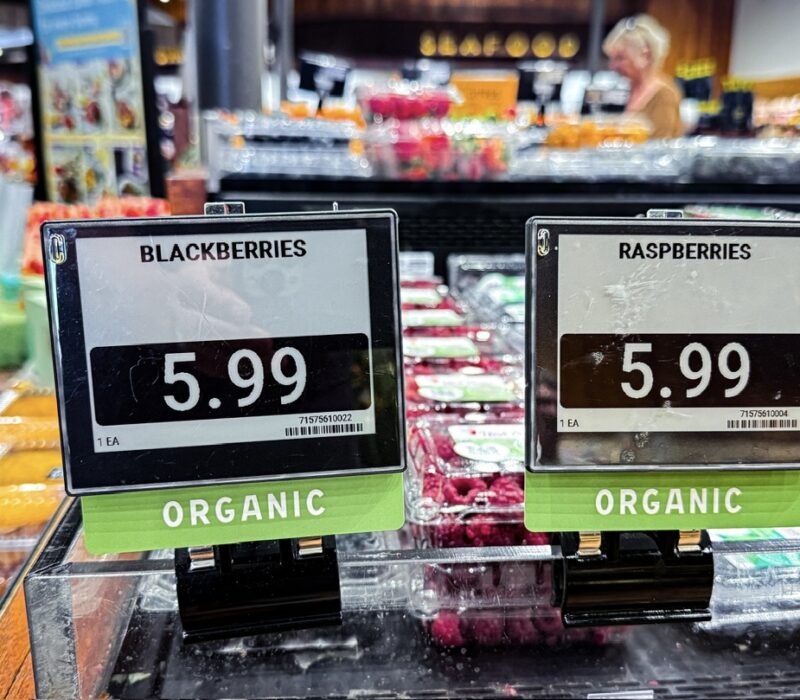
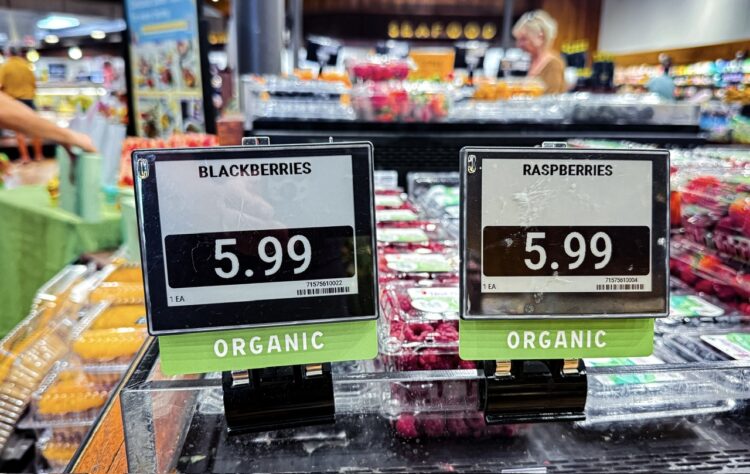
If you’ve been paying close attention in some grocery stores lately, you may have noticed new digital tags on shelves. The traditional paper price tags are slowly being replaced with small electronic displays known as digital shelf labels, also called electronic shelf labels.
Major retailers including Walmart are rolling out these digital shelf labels across thousands of stores, a technology that allows price tags to be updated electronically instead of replacing paper ones by hand.
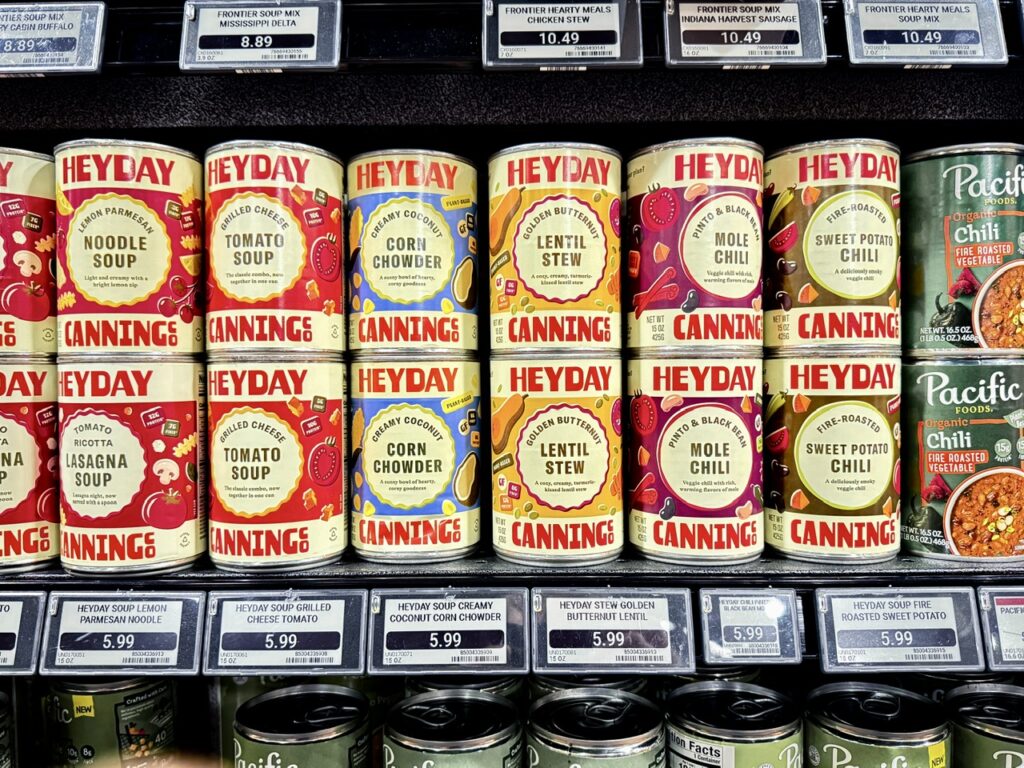
I noticed these digital shelf labels showing up at my local Fresh Market store last year. At first glance they look a bit like regular printed price tags, but they’re actually small electronic displays. I’ve known about this technology for years after first seeing them at Whole Foods in Austin, TX around 2011 but only noticed them at select stores over the years. They finally seem ready for their closeup and are now spreading to more and more retailers across the country.
What are digital shelf labels?
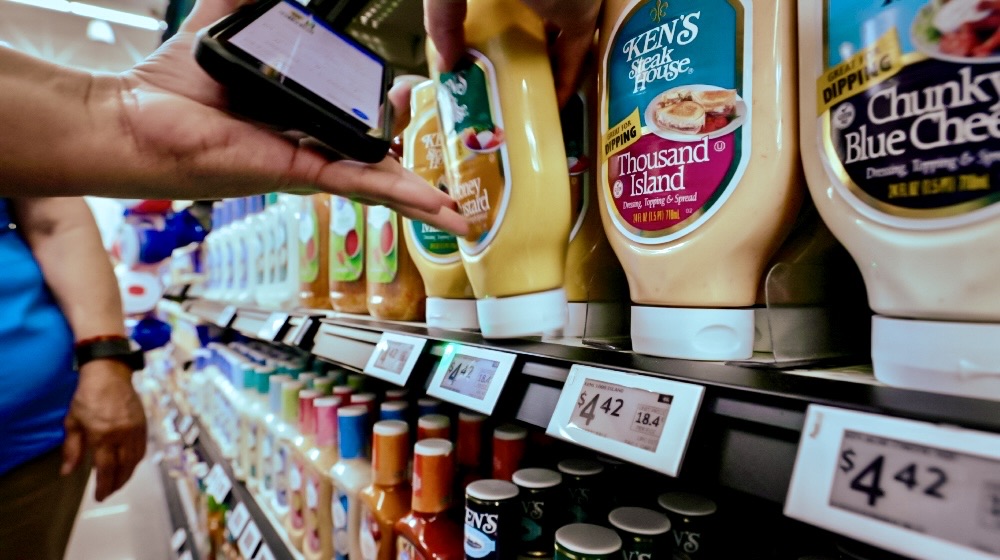
Digital shelf labels are small electronic displays attached to store shelves where paper price tags normally sit. They typically show the price and unit price and sometimes include a barcode or QR code.
The biggest difference is that stores can update them remotely from a central system or phones instead of printing and replacing thousands of tags throughout the store.
According to Walmart, the technology allows store employees to update prices remotely using a mobile app. Tasks that once took days to complete across an entire store can now be done in minutes. The labels can also light up to help employees locate products when restocking shelves or filling online grocery orders which is a pretty nice perk.
Why are retailers using them?
From a retailer’s perspective the advantages are pretty clear.
Digital shelf labels reduce the time employees spend changing paper tags every week. They can also help ensure that the price on the shelf matches what rings up at the register.
Another benefit is sustainability. Stores print and replace thousands of paper tags regularly, so switching to more eco-friendly electronic displays can reduce paper waste which is a clear benefit.
Some chains have already been using this technology for a while. Many shoppers may not even realize the tags are digital because they are designed to look very similar to traditional printed price labels.
What about special product call-outs?
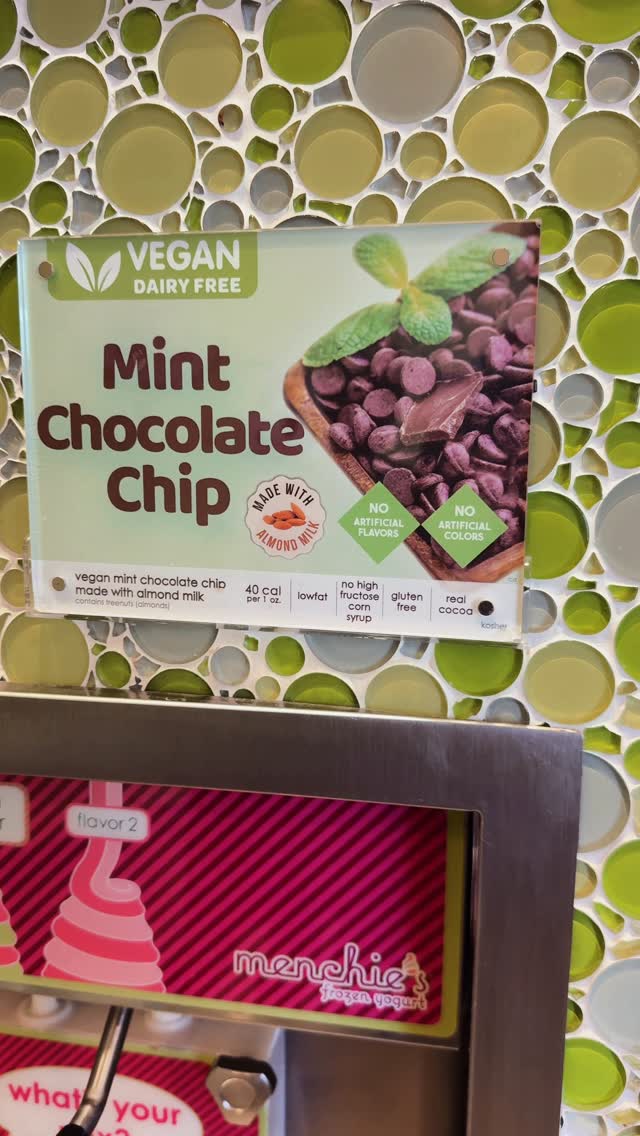
One thing I rely on when browsing grocery aisles is the ability to quickly scan for shelf tags that say things like “New”, “Organic” or sometimes “Vegan” or “Plant Based” if I’m lucky. Those little callouts make it easy to spot products I might want to post and/or try.
Digital shelf labels are often very uniform. In many stores they simply display the price and unit cost. Without the colorful shelf tags or promotional markers, new items can blend into the shelf more easily.
For shoppers looking for new products that are gluten-free or vegan, these shelf differentiators can make a difference. Plant based foods are still a smaller part of most grocery assortments, but if you miss a new item the first time you pass the aisle, you may not notice it again.
A lot of us who search for vegan products rely on scanning shelves quickly for visual clues. If those cues disappear, discovering new items could become a little harder but some stores are using small paper bibs underneath for special call-outs which can help but may defeat the purpose of eco friendly digital tags.
Do these tags make spotting sales harder?
I think so. I’ve noticed that digital shelf labels can be slightly dim depending on the lighting in the aisle. Paper tags often stand out more clearly from a distance and sale tags are often more eye catching with bright colors and larger labels that signal something is discounted. When every label on the shelf looks similar, those deals may not jump out as easily to a lot of people.
Stores can still add promotional signs above the shelf, but it depends on how consistently they choose to use them and they’re often only on end cap displays.
What about price surging and shrinkflation?
I have some concerns about price transparency as it relates to price gouging and what’s called “shrinkflation” (a product’s package size sometimes get smaller while the price on the shelf stays the same).
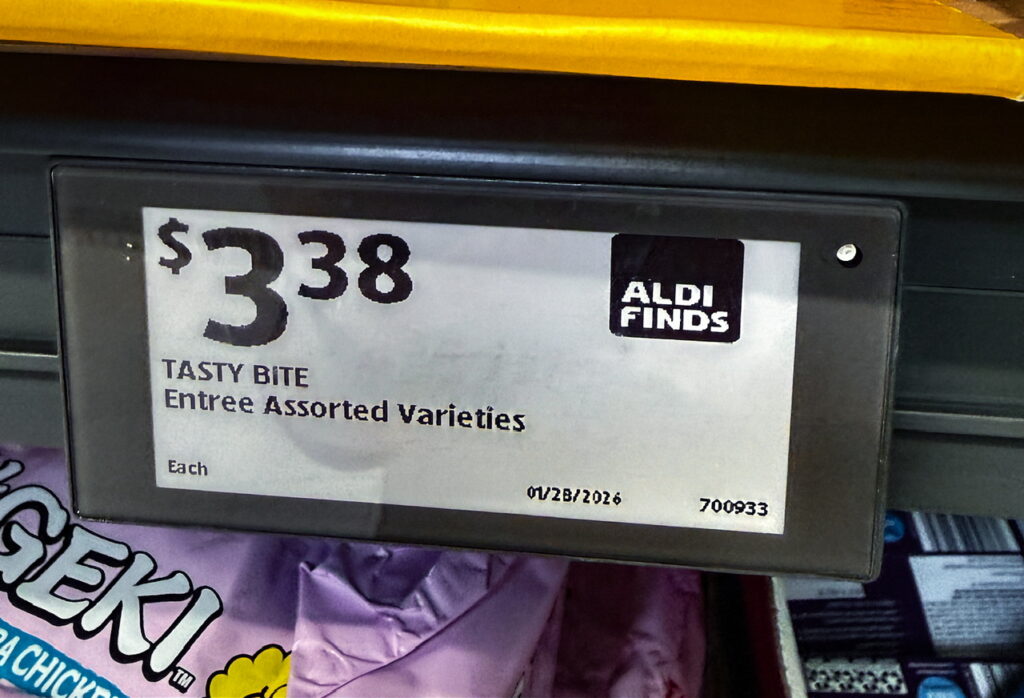
Because digital shelf labels can update instantly, price changes can happen quietly. If the price per ounce of a product changes overnight, most shoppers would never notice unless they were watching the tag closely.
Plant based foods are not immune to this practice. Vegan ice cream, dairy free cheese, and meat alternatives have all seen package size adjustments over the years. Unit pricing still appears on most shelf labels, which helps shoppers compare products, but changes can be easier to miss.
Many shoppers have also raised concerns that digital shelf labels could allow stores to change prices more frequently or even introduce surge pricing. Retailers say that’s not the goal and Walmart says the technology is mainly intended to improve price accuracy and reduce the time employees spend replacing paper tags.
Still, some shoppers worry about the ease with which price changes can happen and make things more expensive than they should be. As someone who worked in grocery retail specifically at Whole Foods Market for 14 years and worked directly with the person responsible for switching tags out, price tag changes happened daily and this digital system won’t change that although it will make it easier to do and quicker. I do fear for those who’s jobs depended on this work so I hope they aren’t replaced but people are feeling that companies don’t change tags and raise prices often because it’s a hassle but they always have and always will. I don’t feel they will use digital tags to surge prices but time will tell.
Could these tags help vegan shoppers?
Possibly because digital shelf labels have the potential to do more than paper tags ever could.
Because they are electronic, the displays could eventually show additional information. Stores could add icons that identify plant based products or provide QR codes that link to ingredient details, sustainability information, or dietary information.
If retailers choose to use the technology in that way, it could actually make vegan products easier to identify in the future which would be great in my opinion.
Walmart is not the only retailer experimenting with this technology. Grocery chains around the world have been gradually adopting digital shelf labels for several years. Stores like Aldi have already implemented them in many locations (I only noticed theirs were digital when I saw an employee updating one with his phone), and other retailers have been testing them as part of broader efforts to modernize stores and improve pricing accuracy. As more chains adopt the technology, shoppers may begin noticing digital price tags appearing in more aisles during routine grocery trips.
If stores eventually use the technology to highlight plant based products and sustainability information, vegan shoppers could benefit. For now it is simply one more example of how grocery stores are evolving behind the scenes and taking steps into a digital future.