
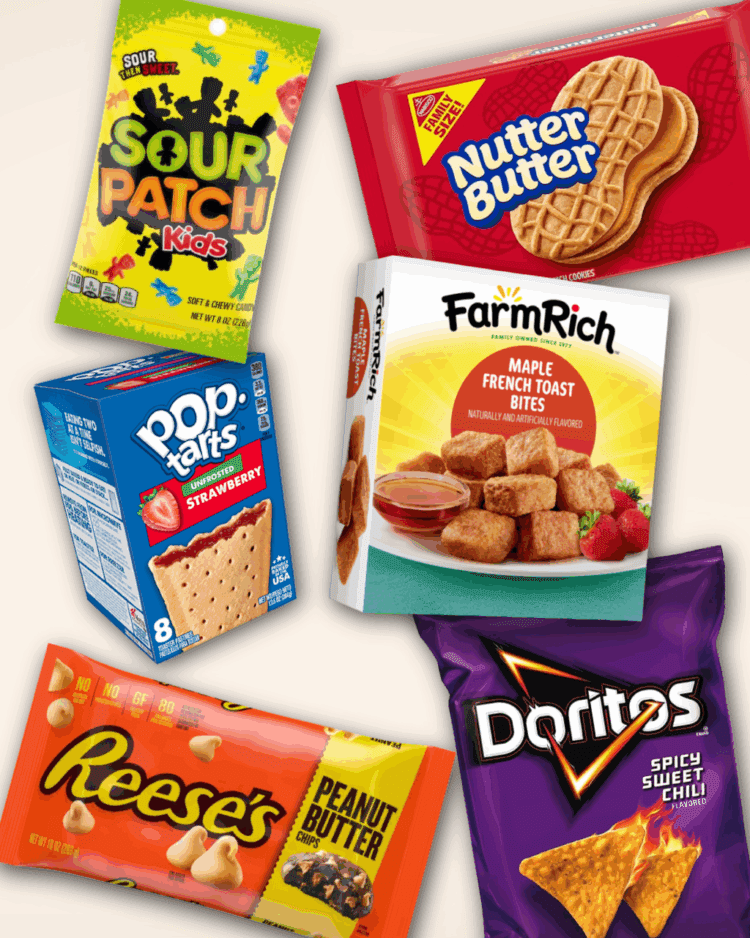
One of the most common questions I get is: “If it doesn’t say it’s vegan, how do you know it is?”
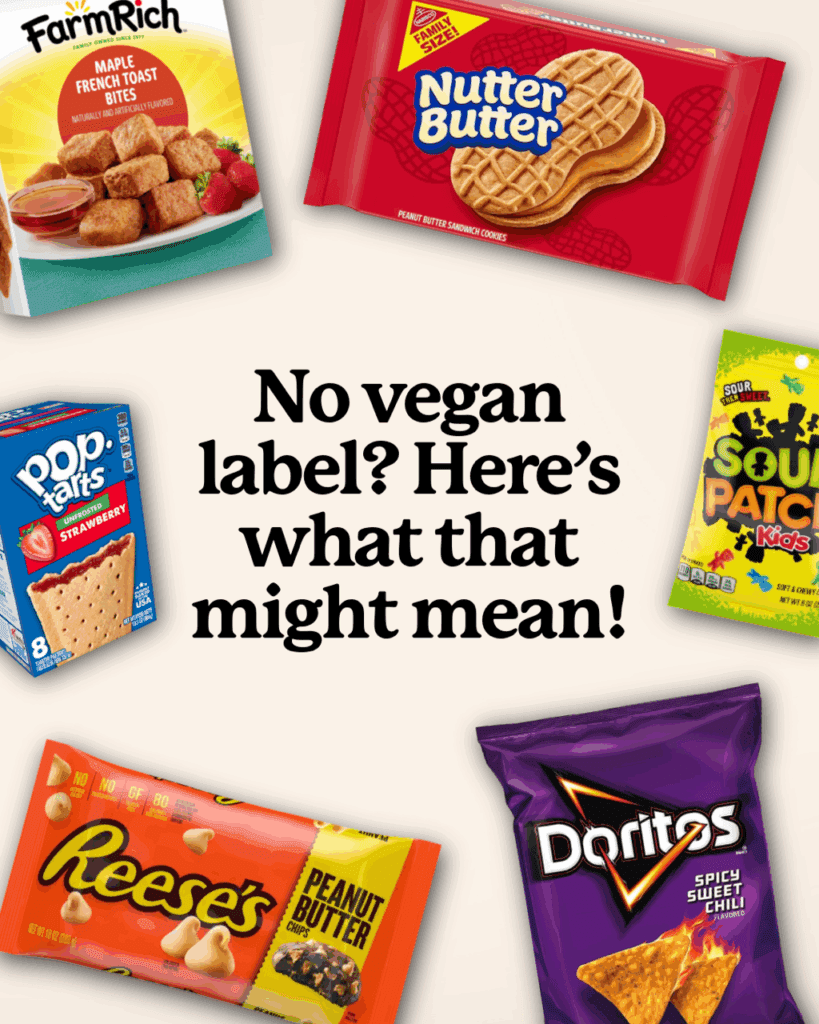
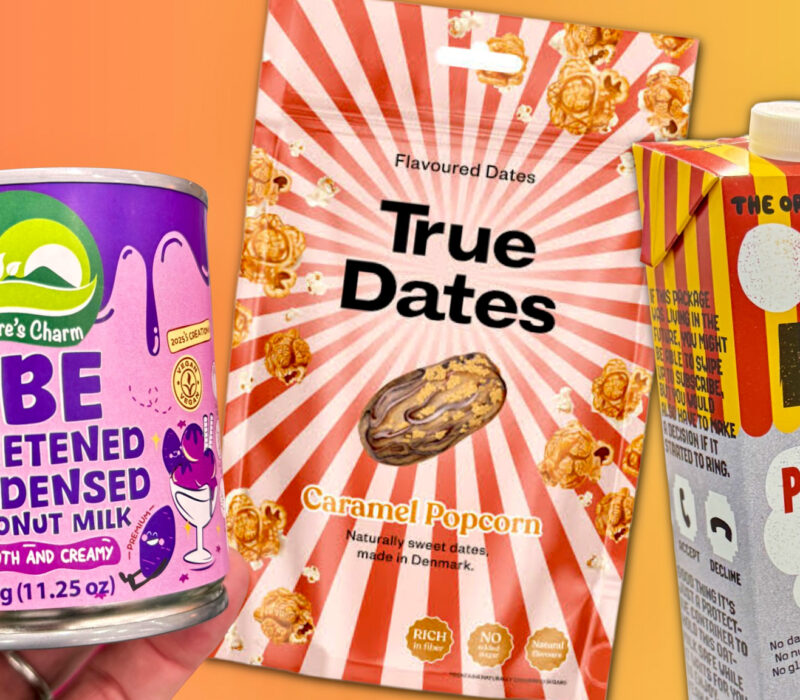
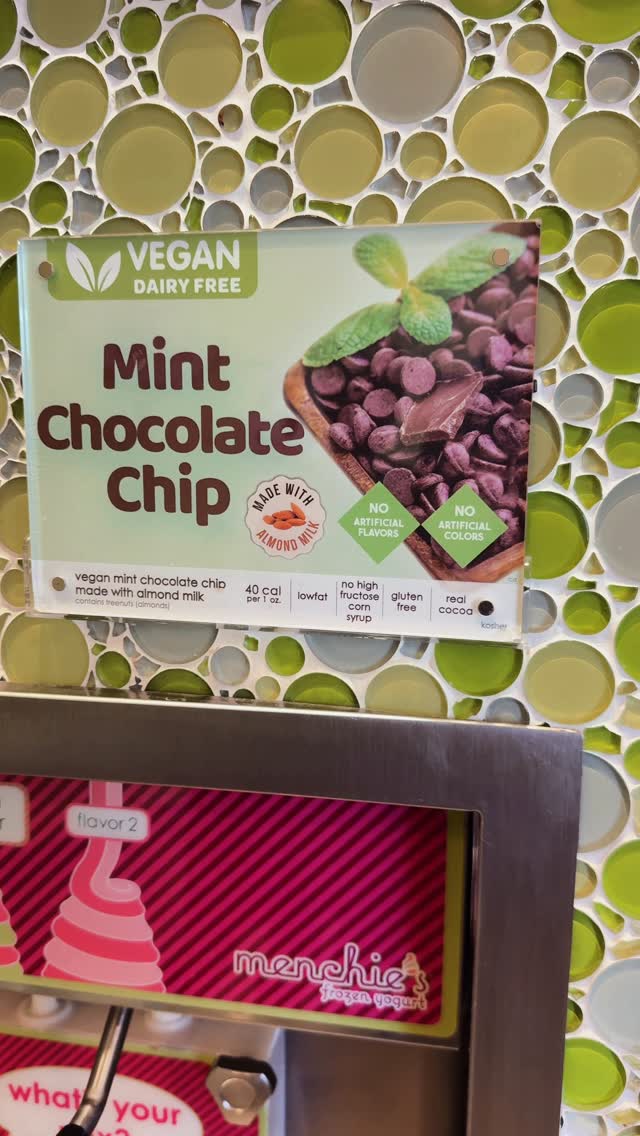
The answer is a lot of products are what we call “accidentally vegan” or “vegan friendly”. That means while they don’t contain known animal-derived ingredients, the brand doesn’t market or label them as vegan.

Why wouldn’t a brand just say it’s vegan?
It might sound simple, but there are actually several reasons a company avoids using the vegan label:
- Certification Costs Money. Official vegan certification requires third-party approval, and that can be expensive. Not every brand wants to invest in it.
- Marketing Concerns. Some companies avoid the word vegan because they think it might scare away shoppers who don’t identify that way, even though the product itself contains no animal ingredients. Some feel vegan food is subpar for some reason and some brands want the widest audience they can get for their products so they avoid the label.
- Cross-Contamination Worries. Products made in shared facilities often carry “may contain milk/eggs” disclaimers. Although they are not ingredients, some brands just skip the vegan label entirely rather than navigate questions and concerns. It’s interesting to note though that even certified vegan products are allowed cross contamination as long as they’ve taken reasonable steps to avoid it as much as possible. Trace amounts could always be present though and those with severe allergies should heed these warnings.
What about questionable ingredients?
Even when something doesn’t list obvious animal products, some ingredients raise extra questions for ethical, environmental or health reasons.
Ethical Concerns:
- White Cane Sugar. Some U.S. cane sugar can be processed with bone char to make it whiter. It’s important to note that it’s a filtering agent and not an ingredient and often lots of sugars are mixed making it difficult to impossible to know if it’s been processed this way. This to me, would be an ethical reason not to consume but cows aren’t killed solely for this purpose although that doesn’t really make it better. Organic sugars and others avoid this process but when a product just lists “sugar” it’s concerning for some.
- Natural flavors. These can come from plant or animal sources and are rarely clarified as brands consider them to be proprietary information. One thing that’s sometimes eases fears is if a product is labeled kosher pareve. This certification prohibits animal products from being used although fish and eggs could be present. Those are major allergens though and would need to be disclosed.
Environmental Concerns:
- Palm oil. Technically vegan, but linked to deforestation and habitat loss.
- Soy monocrops: This large-scale farming impacts ecosystems (though most of the soy goes to animal feed).
- Plastic packaging. While not an ingredient, it’s often a sustainability and waste concern.
- Cocoa sourcing: Reports of child labor and deforestation issues in chocolate supply chains leads some to avoid unless it states it’s been responsibly farmed and harvested.
- Avocados & almonds. These are sometimes flagged for high water usage and bee exploitation in pollination.
Health Concerns:
- Refined sugars. Some feel these are overly processed, high in calories and offer minimal nutritional value.
- Excess sodium. High amounts concern some especially in packaged snacks and frozen foods.
- Artificial dyes & flavors. While technically vegan, they’re not always seen as “healthy.”
- Highly processed oils. Oils like hydrogenated oils or trans fats cause concerns for some.
- Corn syrup/HFCS. While not animal-derived it’s often flagged in health conversations.
For a deeper dive, check out my “sneaky ingredients that aren’t vegan” post here.
What I share and what I don’t do.
When I share products, I do so for awareness trying to leave any bias at the door as my main focus is on ingredients. If I don’t see any known animal products listed like dairy, eggs, gelatin, or honey, I’ll usually share it as a find. I leave any ethical, environmental and health concerns up to you to police as everyone’s journey is different and the line you draw and won’t cross might look different than mine.
Grey areas are exactly that and can be murky and not alway clearly black and white. What I won’t do is police these types of concerns as it could lead me down a rabbit hole and I might never post anything as someone will surely be concerned about something. I trust as adults, you can navigate these waters for yourself. While I feel everyone’s concerns are valid, they can often lead to arguments and name calling in posts so I try and avoid that as much as I can. I want to keep finding fun vegan friendly foods just that, fun. I ask people to kindly move on if something’s not right for them rather than trying to convince others that their point of view is the only point of view regarding veganism. It’s like religion I often say. It can all be Christianity for example, but within that there are many sects who believe very different things. Tolerance is something we could all use more of these days.
Obsessing over ingredients.
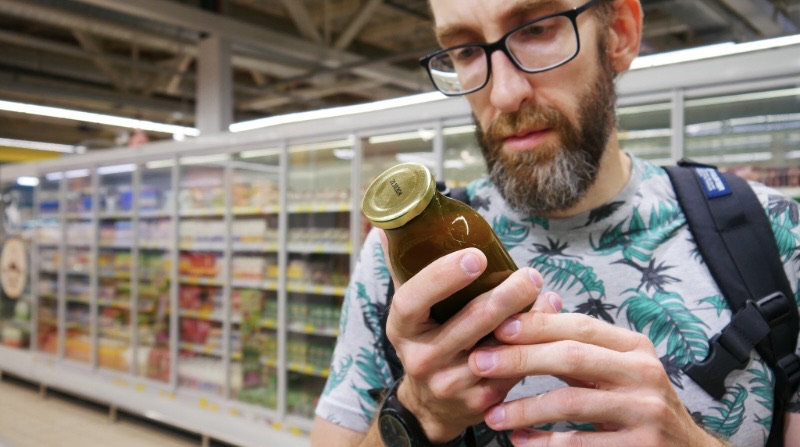
It’s easy to fall into the trap of reading every single ingredient like a detective and while being informed is important, obsessing over every detail can actually become stressful and might even discourage people from trying vegan-friendly options.
In my opinion, obsessing over the possibility of .0001% of something that might be animal derived in a product isn’t really helping animals. You make the biggest impact by taking meat, dairy and eggs off your plate. I personally don’t obsess over a minute amount of an unknown ingredient (and I stress unknown) but you may feel differently and that’s your choice. I feel gatekeepers often do more harm than good for the cause by making being vegan seem impossible to navigate. I’ve said before that’s there’s no vegan police coming to arrest you if you slip and make a mistake. Do your best and don’t obsess is my advice.
Wrapping it up.
Many brands skip the vegan label because of cost, marketing, or legal reasons, which is why so many foods end up being accidentally vegan. My goal is to share those finds so you can discover more options without the stress of decoding every label.
How you navigate the gray areas like sugar, palm oil, or facility warnings, is completely up to you. To me, veganism isn’t about perfection, it’s about progress. Every swap, every choice, every product you pick can add up and make a difference.
Looking for more informative articles? Check these out below:
- Why Trader Joe’s discontinues your favorite products.
- Baking without eggs and dairy guide.
- Is there a vegan tax?
- When vegan businesses backtrack.
- May contain milk, is it still vegan?
- 10 popular foods that should already be vegan.






Pingback: Does “Vegan” Labeling Hurt or Help Grocery Sales? The Answer May Be More Complicated Than You Think – Big Box Vegan