
If you’ve ever looked at the price of vegan cheese, milks or mock meats and thought, “Wait, why is this so expensive?”, you’re not alone. A lot of people believe there’s a so-called “vegan tax” on plant-based food. But is it a myth or is there truth to it?
Let’s break down what’s really behind the higher price tag on some vegan products and how you can shop smart without blowing your grocery budget.
What is the “Vegan Tax”?
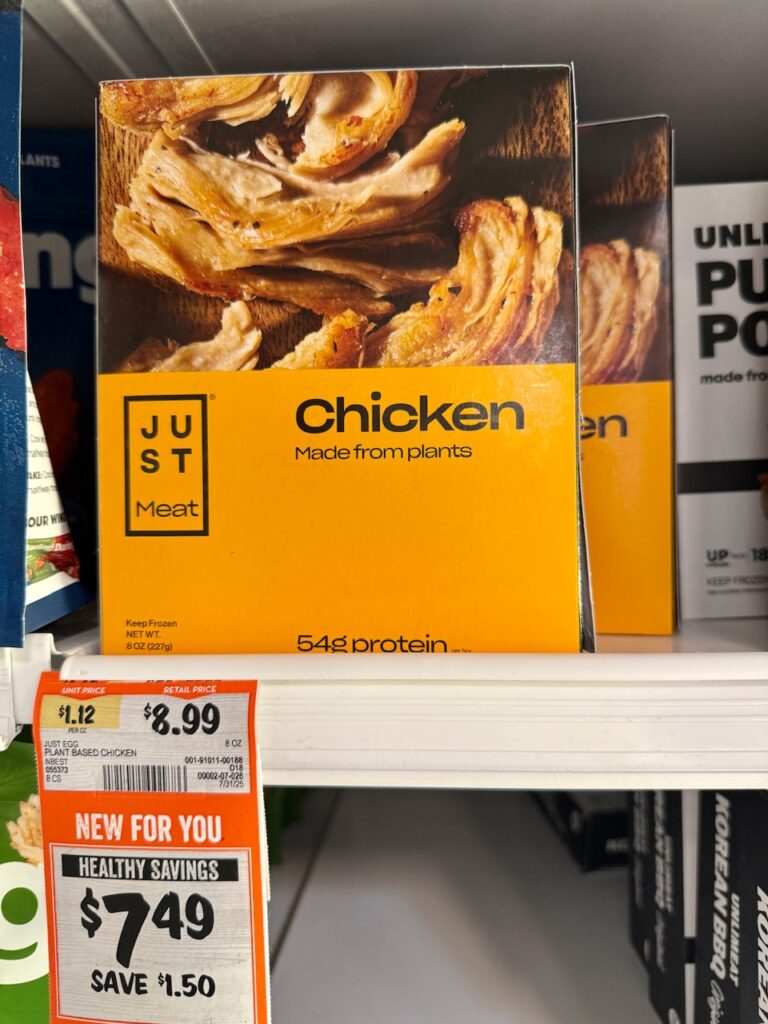
The idea of a vegan tax isn’t an actual tax, but rather the belief that plant-based products are consistently more expensive than their animal-based counterparts. And while it’s true that some vegan alternatives can cost more, it’s not always because brands are trying to charge more just because it’s trendy or niche.

Why Vegan Products Can Often Cost More
Here are some reasons many plant-based items come with a higher price tag:
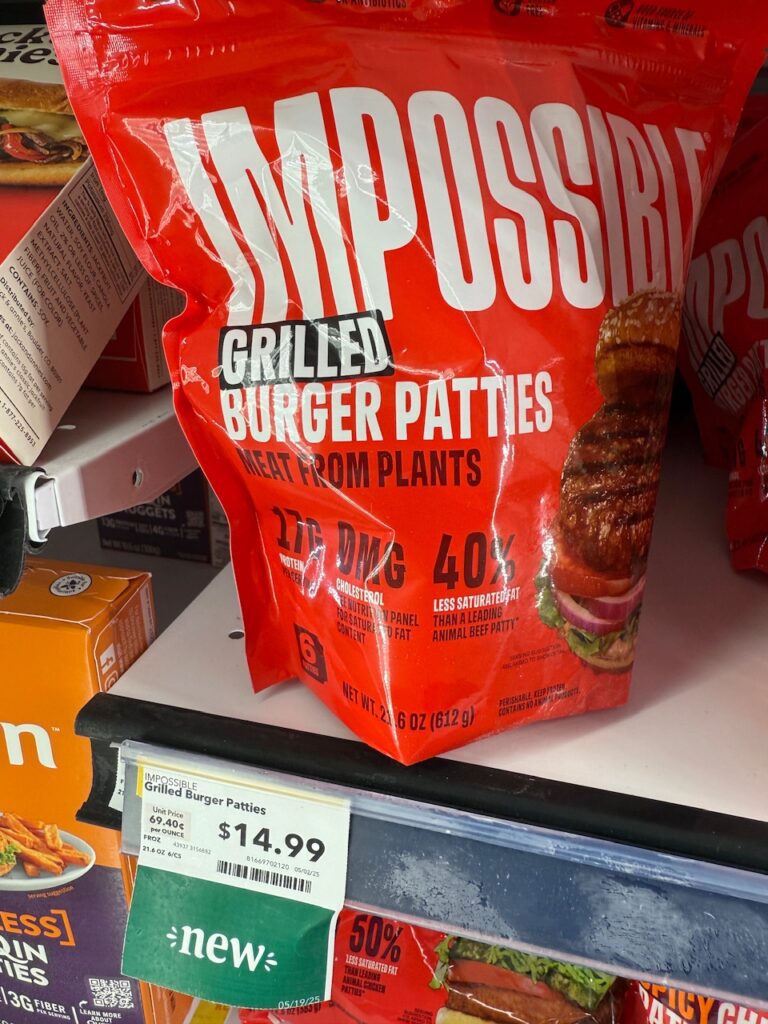
- Research & Development Costs: Making plant-based food that looks, cooks, and tastes like the real thing takes time, tech, and a lot of trial and error. Brands like Beyond Meat, Impossible Foods, and others have spent millions on product development. That cost has to be recouped somehow and often it’s passed along to the consumer.
- Specialty Ingredients: Vegan products often rely on higher-cost ingredients like pea or soy protein, coconut or nut-based oils and fermented cultures or gums which aren’t just more expensive to source, they’re also not mass-produced on the same scale as meat or dairy byproducts.
- No Government Subsidies: Here’s a big one, animal agriculture in the U.S. receives billions in subsidies, keeping the prices of meat, dairy, and eggs artificially low. Plant-based companies don’t get those same subsidies, so their shelf price reflects the real cost to produce the food.
Brands Don’t Always Set the Price
It’s easy to assume brands are behind every price tag but in many cases, retailers control pricing. That means your favorite vegan cheese might be priced at $4.99 in one store and $6.49 in another.
Retailers also add markups for “specialty” products, charge slotting fees for shelf space, and build in margins based on category, not just product cost.

Grocery Prices Are Up Everywhere ↗️
It’s not just vegan food, all groceries have gone up. From eggs to cereal to produce, inflation, global supply chain issues, and labor costs have impacted nearly every item in the store. So if it feels like you’re paying more at checkout lately, you are, no matter your dietary preferences.
Not All Vegan Food Is Expensive
Let’s not forget, whole-food plant-based staples like beans, lentils, rice, oats, pasta, and tofu are still some of the most budget-friendly foods around.
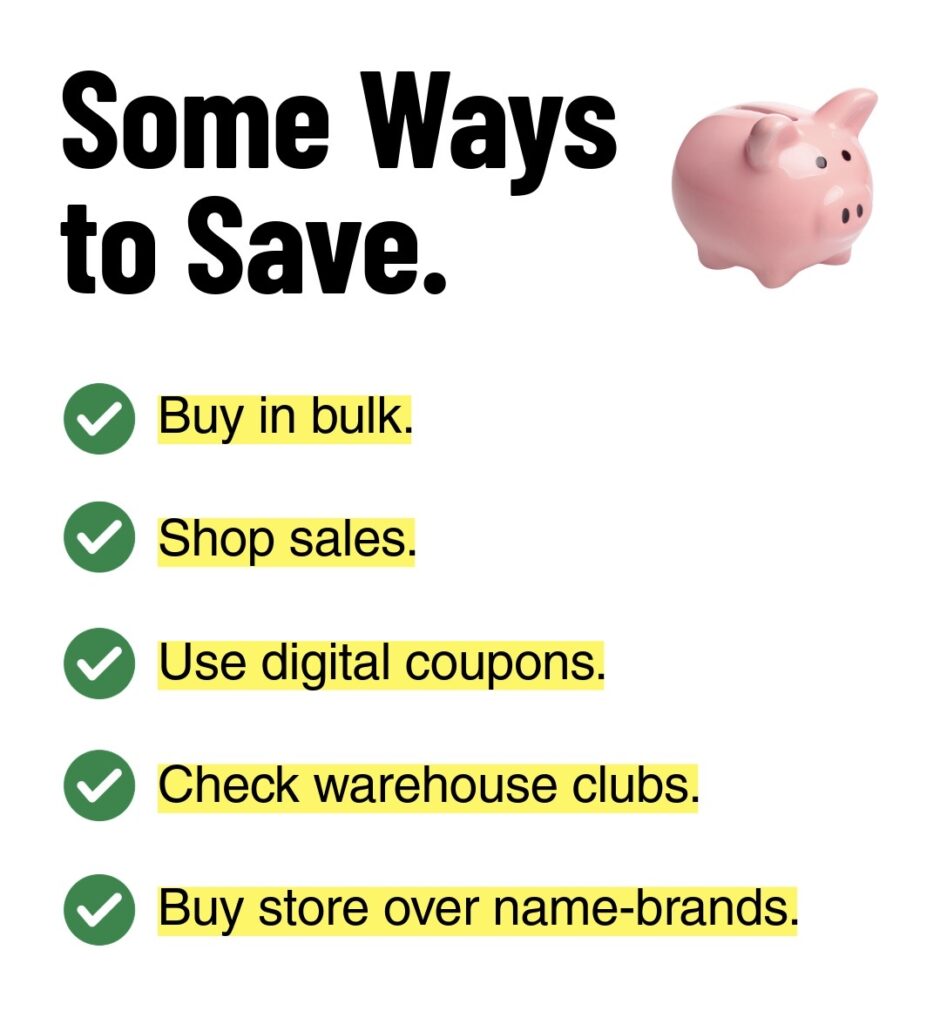
You can build an affordable vegan grocery haul with smart shopping at places like:
- Aldi: great for alt meats and plant-based frozen meals.
- Trader Joe’s: low-priced vegan snacks + dips.
- Walmart: great alt milk + frozen finds.
- Costco or Sam’s Club: bulk tofu, snacks, grains = savings.
So, Is the Vegan Tax Real?
Not exactly. The higher price of some vegan items comes down to ingredients, scale, subsidies, and store markups, not necessarily a conspiracy.
The more people buy plant-based, the more affordable it becomes and the more we support brands making better-for-you, better-for-the-planet products, the bigger impact we make.
💬 Got a favorite budget vegan hack or store to shop? Let me know in the comments or share this post with a friend who thinks oat milk is “too expensive.”







Pingback: 10 Popular Foods That Should Already Be Vegan – Big Box Vegan
Pingback: No vegan label? Here’s what that might mean! – Big Box Vegan