One of the most common comments I get on @bigboxvegan whenever I share a new grocery find is:
“It says may contain milk, that’s not vegan!”
Totally fair reaction, but let’s clear up what that phrase actually means. If you’ve ever passed on a product just because of this disclaimer, this post is for you.
What Does “May Contain Milk” Really Mean?
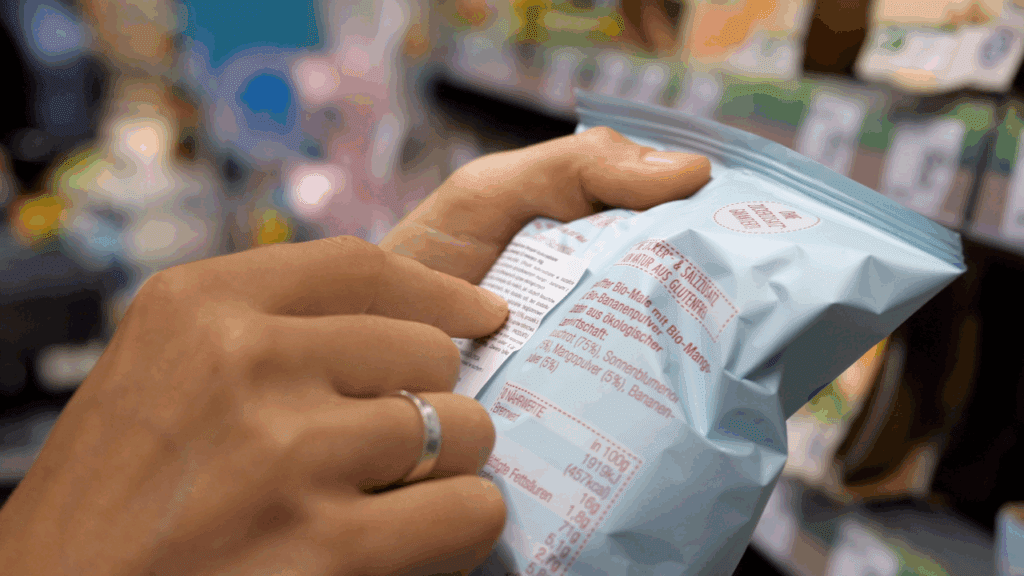
“May contain milk” isn’t about what’s in the ingredient list. It’s a voluntary allergen warning manufacturers use to let people know a product may have come in contact with milk during production. This includes shared equipment or facilities where dairy-containing products are also made.
This is mainly meant to protect those with severe allergies, not necessarily those avoiding animal products by ingredient.
Is It Still Vegan?
Yes, if the product doesn’t list milk (or any other animal-derived ingredient) in the actual ingredients list, then it’s considered vegan by ingredients.
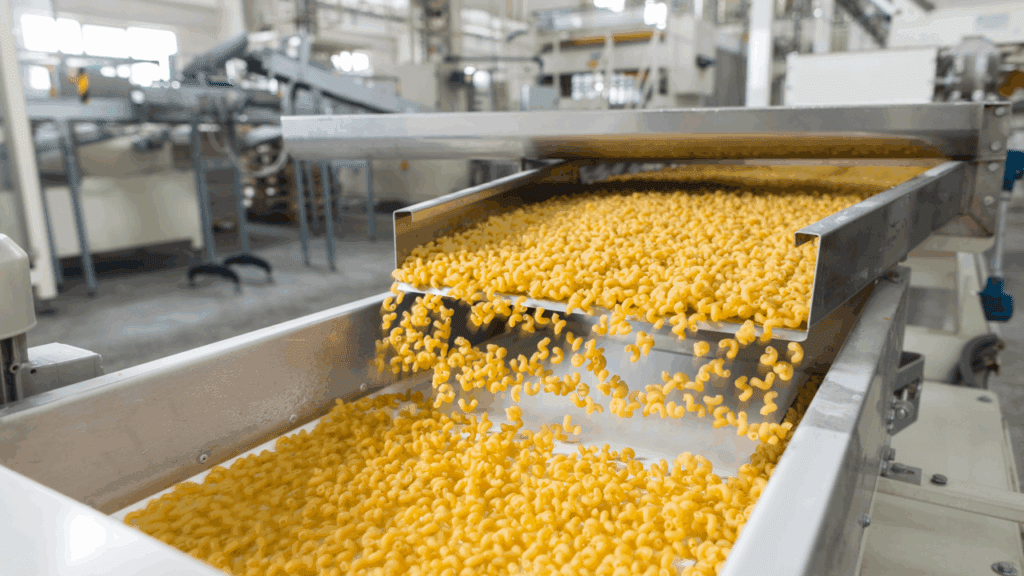
Even many certified vegan products carry this label. Why? Because it’s often unavoidable for brands sharing manufacturing lines, especially smaller or newer ones trying to scale up.
Why the Confusion?
It’s easy to see why people are confused. That label sounds like the product actually contains milk. But, it’s just a cross-contamination disclaimer, not a statement of ingredients. That means the product was likely made without milk but may have been exposed to trace amounts in the facility.
What Should You Do?
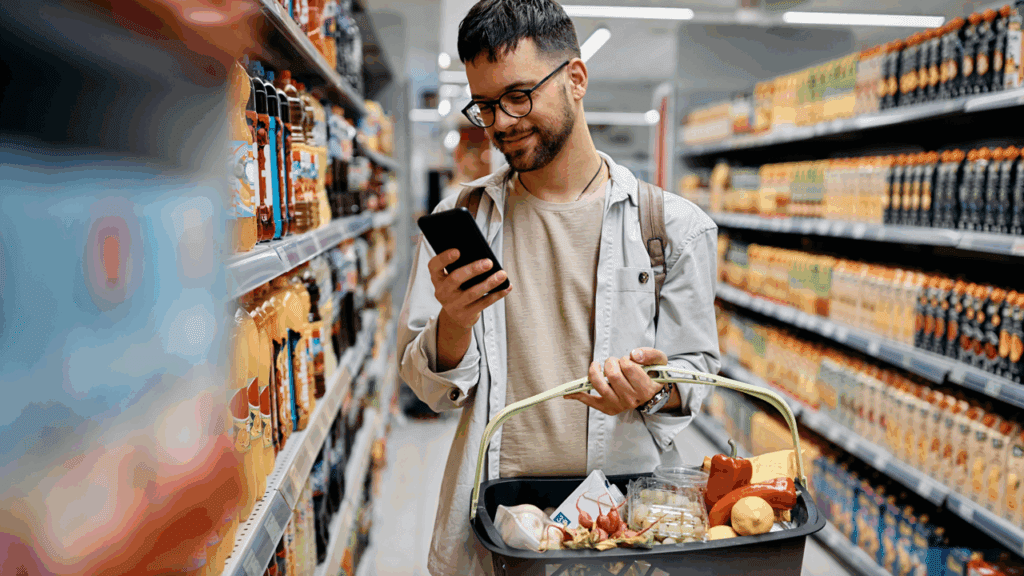
I feel everyone should make their own ethical, environmental or health choices for themselves as it could look different for you versus me. If you’re following a vegan lifestyle and are okay with products made without animal-derived ingredients, “may contain” warnings are typically not a dealbreaker.
However, if you have a dairy allergy or are avoiding cross-contact for other reasons (like religious dietary rules), you’ll want to be more cautious.
Final Thoughts
Labels like “may contain milk” are confusing, but they’re not telling you that milk is in the product, just that there’s a chance of trace contact. Understanding the difference can help you make more informed choices while still enjoying new vegan finds without unnecessary worry. I don’t personally feel avoiding these products containing these warnings actually saves animals but you may feel differently but be informed and don’t scare others that they’re not vegan because no one likes a gate keeper.






Pingback: 10 Popular Foods That Should Already Be Vegan – Big Box Vegan
Pingback: No vegan label? Here’s what that might mean! – Big Box Vegan